





Column Don’t Ignore Postpartum Low Back Pain: A Guide to Its Causes and Proper Care
September 11, 2026
Lower back pain can develop after childbirth.
It is not uncommon for back pain to become chronic because of the postures used when holding the baby or breastfeeding.
This article explains the causes of postpartum lower back pain and ways to manage it.
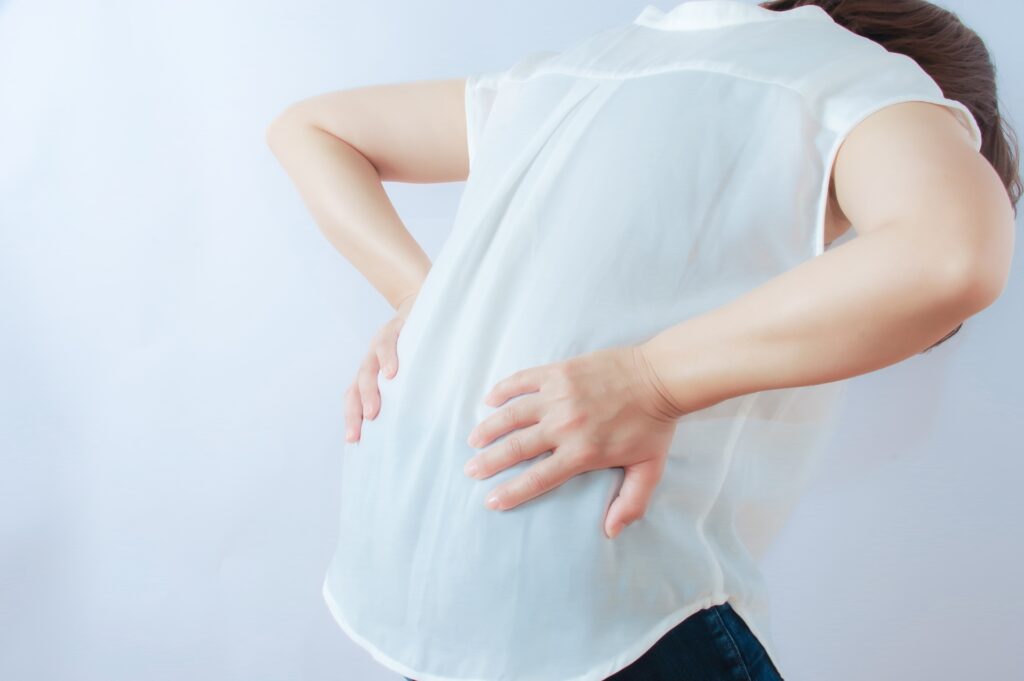
Causes of Postpartum Low Back Pain
Immediately after childbirth, a woman’s body gradually begins returning to its pre-pregnancy state. This period is called the postpartum period, or puerperium. Although it varies from person to person, it generally lasts approximately 6–8 weeks. The physical changes that occur during this period can contribute to lower back pain.
Changes in the Pelvis and Their Various Effects
During childbirth, the pelvis expands significantly to allow the baby to pass more easily through the birth canal, but it takes time for the pelvis to return to its original position.
When the pelvis is unstable, excessive strain is placed on the surrounding muscles and other structures to support the body, and may potentially cause lower back pain.
Reduced Abdominal Muscle Strength
During pregnancy, the abdominal muscles stretch and weaken. When that happens, their ability to support the lumbar spine also declines, placing additional strain on the lower back.
Changes in Hormonal Balance
During childbirth, a hormone called relaxin is secreted, which softens the joints and ligaments and helps widen the pelvis. Under the influence of this hormone, the joints around the pelvis can also become unstable, which may contribute to lower back pain.
Changes in Posture Brought About by Childcare
Once the baby is born, activities such as breastfeeding and holding the baby can also place strain on the lower back.
Doing housework while holding the baby with one arm or breastfeeding in a strained posture can also place significant stress on the lower back.
Characteristics of Postpartum Low Back Pain
In many cases, postpartum lower back pain is characterized by a dull, persistent ache. It often improves toward the end of the postpartum period, but in some cases, it may continue for several months.
Sharp pain may also occur when bending forward or getting up. This type of pain may be temporary and can sometimes be relieved by improving posture.
If you experience severe lower back pain after childbirth that makes it difficult to walk, or if you also experience symptoms such as numbness in the legs, we recommend seeking medical attention as soon as possible.
How to Relieve Postpartum Low Back Pain
Maintain Proper Posture
A posture that can worsen postpartum lower back pain is bending forward. When caring for your baby, activities such as breastfeeding, changing diapers, and holding the baby often require you to lean forward. However, being mindful of your posture can help reduce the strain and discomfort.
Try to avoid leaning forward as much as possible, for example by lowering your hips before picking up the baby, or by holding the baby close to your body with both hands.
During breastfeeding, using cushions or towels to support your body and maintain a comfortable posture can help prevent worsening lower back pain.
Maintain a Proper Sleeping Position
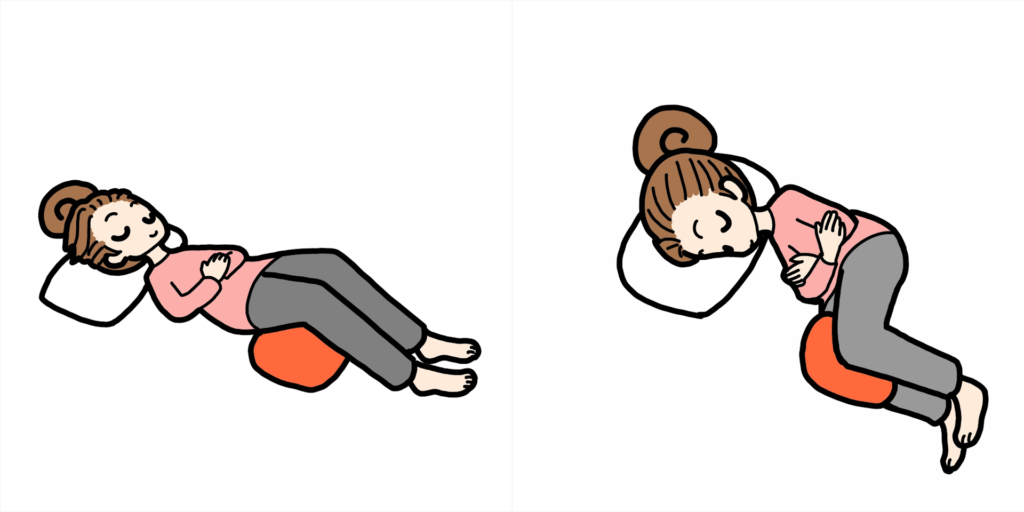
If you tend to sleep on your back, placing a cushion under your knees can help prevent your lower back from arching excessively. This can reduce stress on the lower back and help relieve pain.
If you sleep on your side, placing a cushion or body pillow between your knees can help stabilize the pelvis.
One position to avoid is sleeping on your stomach. Sleeping face down can cause the lower back to arch and may worsen lower back pain.
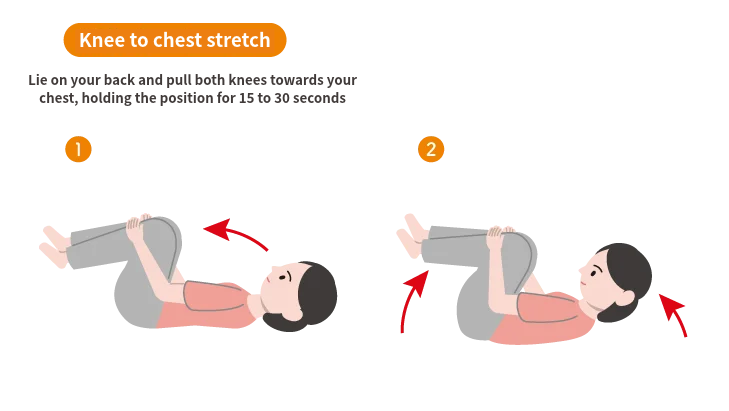
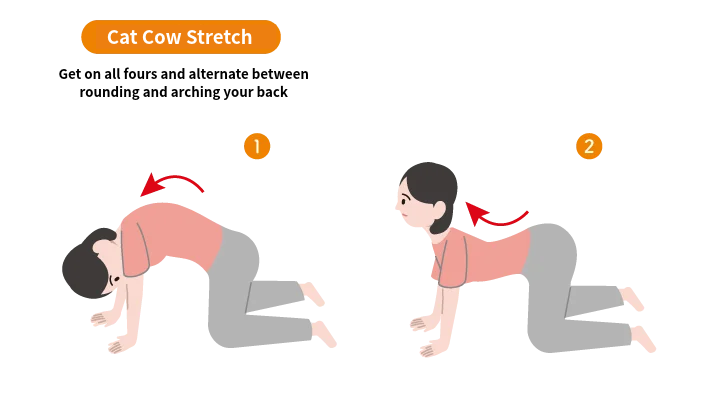
Stretching and Doing Light Exercise
To relax the tension in the muscles around the pelvis and improve the stability of the lower back, do stretching and light exercise. Be careful, as excessive stretching or intense exercise has the opposite effect.
Treatment at Our Clinics
If your low back pain originates from the intervertebral disc, treatment of the disc may be necessary. (Treatment cannot be performed during the breastfeeding period.)
Our clinic offers the Cellgel Method, the Florence Method, and the Q Florence Method.
The Cellgel Method
The Cellgel Method involves injecting a therapeutic agent into the cracks in the intervertebral disc. The substance then forms a gel-like implant that fills and reinforces the damaged areas. This may help prevent further disc degeneration and may serve as a fundamental treatment approach that addresses the underlying disc damage.
Unlike procedures that reduce the volume of the intervertebral disc, the Cellgel Method leaves a gel-like implant within the disc after treatment, helping preserve the disc’s volume and structure.
Click here to learn more about the Cellgel Method
In addition, our affiliated OJ Wellness Center incorporates approaches from traditional East Asian medicine and Ayurvedic medicine to support people experiencing various forms of lower back pain across a wide range of age groups.
Click here to learn more about the OJ Wellness Center
If you are experiencing lower back pain, please consider scheduling a consultation at our clinic.
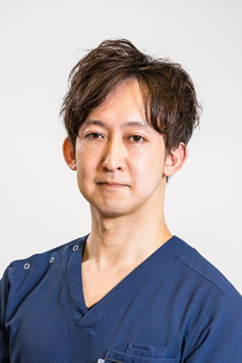
Supervising Physician
Dr. Tadaaki MINOWA
Administrative Director at ILC Tokyo
Affiliations / Certifications
- Japan Low Back Pain Association
- Japan Society of Endoscopic Surgery
- Certified Industrial Physician, Japan Medical Association
- Cellgel Treatment Method Certified Doctor
- Florence Method Certified Doctor
- Q-Florence Method Certified Doctor
- Ozone Treatment Certified Doctor
Related Articles
Lower Back Pain Specific to Women: How Menstruation, Pregnancy, and Childbirth Can Cause Back Pain
Relieving Lower Back Pain During Pregnancy: Safe Stretches and Tips For Everyday Life