





Column What You Should Know About the Effects and Types of Nerve Block Injections Before Considering Surgery
October 2, 2026
People who suffer from lower back pain sometimes manage their symptoms with nerve block injections.
A nerve block is a treatment in which medications such as steroids are injected around the nerves responsible for pain, thereby blocking the transmission of pain signals.
In this article, we explain the different types of nerve block injections and how they work.
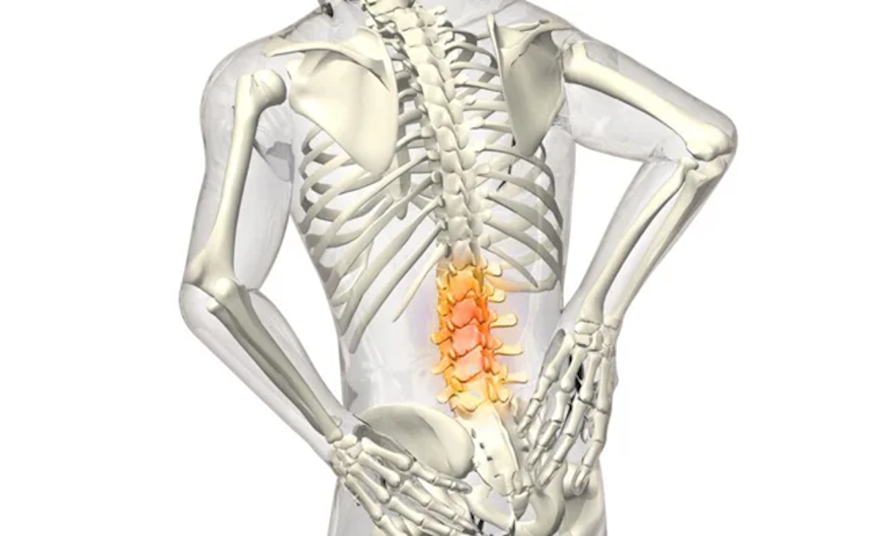
How Do Nerve Blocks Work to Relieve Lower Back Pain?
A nerve block involves injecting a local anesthetic or an anti-inflammatory medication, such as a steroid, near the nerve responsible for the pain. This temporarily blocks pain signals from reaching the brain and helps relieve symptoms.
In most cases, the injected medication remains localized around the injection site, allowing it to act quickly on the affected area.
Conditions such as herniated discs can compress nerves and cause inflammation. A block injection suppresses the inflammation, calms the nerve’s excitability, and blocks the transmission of pain signals.
One major advantage of nerve blocks is their localized effect. Unlike systemic medication, they have less impact on areas of the body other than the painful area, and there is less concern about complications affecting other parts of the body.
Breaking the Vicious Cycle of Pain
When you have lower back pain, your muscles also tense up and blood flow worsens. In turn, poor circulation can make the pain worse, creating a vicious cycle.
Nerve block injections can relieve muscle tension and blood vessel constriction caused by pain, improve blood circulation, and promote recovery.
When combined with rehabilitation and exercise, nerve block injections may further help stabilize the lower back and improve symptoms.
Identifying the Source of Pain
Nerve block injections can help identify the precise location from which pain originates.
Identifying the source of the pain makes it easier to determine an appropriate treatment plan. This can be useful in cases of nonspecific lower back pain.
Types of Nerve Blocks
There are several types of nerve block injections.
Epidural Block
The drug is injected into the epidural space of the spine. It is effective for lower back pain and sciatica caused by conditions such as disc herniation and acute lower back strain.
Nerve Root Block
Medication is injected directly around the root of the compressed nerve. This type of injection is particularly effective for severe pain and numbness.
Facet Joint Block
This block injection is used for lower back pain caused by degeneration or deformation of the facet joints.
Sacroiliac Joint Block
Medication is injected into the sacroiliac joint to treat buttock pain caused by the disorder of this joint.
Trigger Point Injection
A local anesthetic is injected directly into a painful, tight area of muscle known as a trigger point. This helps relieve muscle stiffness and tension and is effective for myofascial lower back pain.
The Effects of Nerve Blocks
Nerve blocks provide temporary, localized pain relief.
According to a study, nerve block injections for lower back pain and lower-limb pain produced favorable results in 84% of cases. The duration of the effect varies from person to person, but the average was 8.1 days.
(*1): Source: Hiroshi Ito et al., “Effects of Nerve Block Therapy and Trigger Point Injections for Lower Back Pain and Lower Limb Pain,” Journal of the Japanese Society of Low Back Pain, No. 7, 2001.
Side Effects of Nerve Blocks
After a nerve block injection, patients may experience pain or swelling at the injection site, as well as temporary numbness.
Nerve blocks can also affect the autonomic nervous system, which may cause a drop in blood pressure, dizziness, or unsteadiness.
Although rare, infection and nerve damage are also possible.
Treatment at Our Clinics
If you have been diagnosed with lower back pain, fundamental treatment may also become necessary.
Our clinic provides treatment for lower back pain caused by intervertebral disc damage.
The Cellgel Method involves injecting a therapeutic agent into the cracks in the intervertebral disc. The substance then forms a gel-like implant that fills and reinforces the damaged areas. This may help prevent further disc degeneration and may serve as a fundamental treatment approach that addresses the underlying disc damage
Unlike procedures that reduce the volume of the intervertebral disc, the Cellgel Method leaves a gel-like implant within the disc after treatment, helping preserve the disc’s volume and structure.
Click here to learn more about the Cellgel Method
In addition, our affiliated OJ Wellness Center incorporates approaches from traditional East Asian medicine and Ayurvedic medicine to support people experiencing various forms of lower back pain across a wide range of age groups.
Click here to learn more about the OJ Wellness Center
If you are experiencing lower back pain, please consider scheduling a consultation at our clinic.
Supervising Physician:
Dr. Tadaaki MINOWA
Administrative Director at ILC Tokyo
Affiliations / Certifications
Japan Low Back Pain Association
Japan Society of Endoscopic Surgery
Certified Industrial Physician, Japan Medical Association
Cellgel Treatment Method Certified Doctor
Florence Method Certified Doctor
Q-Florence Method Certified Doctor
Ozone Treatment Certified Doctor
Related Articles
Treatment of Spinal Canal Stenosis: The Various Conservative Treatments and Surgical Options
The Relationship between Low Back Pain and Exercise: How to Work Out Efficiently