





December 12, 2025
Lumbar spondylolisthesis refers to a condition in which one of the vertebrae in the lower back slips out of its normal position.
This slippage can cause symptoms like low back pain, buttock and lower limb pain and numbness, significantly impacting daily life.
This article explains what individuals with spondylolisthesis should be mindful of in their daily lives.
What is Spondylolisthesis?
Lumbar spondylolisthesis is a condition where a vertebra in the lumbar spine (lower back) shifts out of its normal alignment.

Symptoms of Spondylolisthesis
When a vertebra slips, the spinal canal, through which the spinal nerves pass, becomes narrowed. This leads to low back pain, buttock pain, and pain or numbness in the lower limbs.
A typical symptom of spondylolisthesis is intermittent claudication. During walking, pain or numbness develops in the buttocks, thighs, or calves, making it difficult to continue walking. After resting for a short time, walking becomes possible again.
If the slipped vertebra compresses the nerve roots, additional symptoms may occur, such as sciatica (pain radiating from the buttock down to the foot) or ankle dorsiflexion impairment, a condition in which lifting the toes upward becomes difficult due to restricted ankle movement.
Daily Life Recommendations for People with Spondylolisthesis
Once diagnosed with lumbar spondylolisthesis, the priority in daily life is preventing symptoms from worsening.
What People with Spondylolisthesis Should Be Mindful Of
◎ Proper Posture
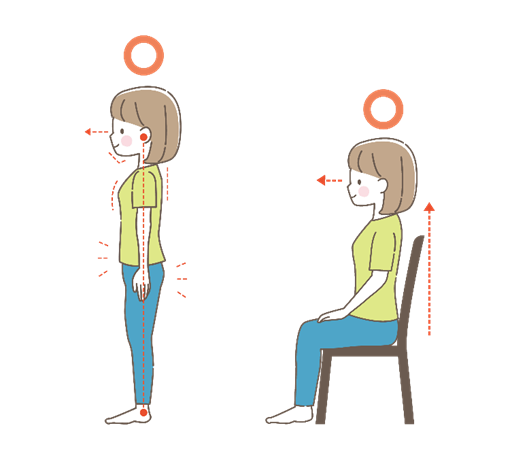
Maintain correct posture while standing, sitting, and walking. Keeping your back straight and tilting the pelvis slightly forward often helps reduce discomfort.
◎ Using a Cushion
When sitting on a chair, placing a cushion between your lower back and the backrest can provide support.
When sleeping, placing a cushion under the knees may help alleviate symptoms.
◎ Moderate Exercise
Low-impact activities such as walking and swimming are recommended, as they place minimal stress on the lower back.
Stretching can also reduce strain on the lumbar spine and help relieve pain associated with spondylolisthesis. It is essential to perform stretches correctly. Improper stretching can increase stress on the lower back and may worsen symptoms.

◎ Nutrition and Weight Management
Weight gain increases stress on the spine and can exacerbate spondylolisthesis. Conversely, excessive weight loss due to extreme dieting may weaken bones, making vertebral slippage more likely.
A well-balanced diet (rich in protein, calcium, and vitamin D) is essential for preventing spondylolisthesis and avoiding symptom progression.

◎ Managing Stress
Adequate rest and proper stress management are also crucial for maintaining spinal health.
What People with Spondylolisthesis Should Avoid at All Cost
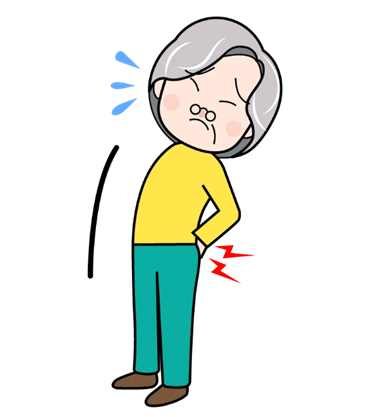
× Arching or Twisting the Lower Back
Movements that involve bending backward or twisting the lower back place significant strain on the spine and should be avoided.
Be particularly cautious during stretching or exercise not to include excessive extension or twisting motions.
× Staying in the same Posture for Long Periods
Avoid sitting for long periods, especially during desk work.
It is recommended to stand up and perform light stretching at least once every hour.
× Lifting or Carrying Heavy Loads
Lifting or carrying heavy items places substantial stress on the lower back. In individuals with spondylolisthesis, such actions can accelerate bone and joint degeneration and worsen symptoms.

× Strenuous Exercise
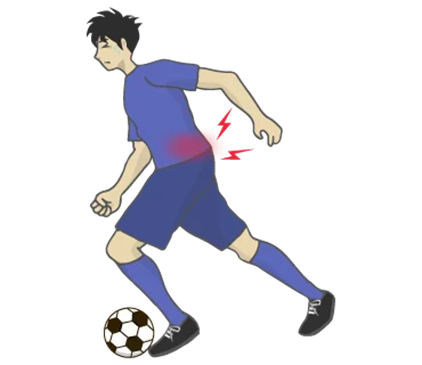
Continuing intense sports activities while the spine is unstable due to spondylolisthesis can further accelerate degeneration and aggravate pain and numbness.
Sports that involve high impact or twisting of the lower back—such as soccer, basketball, and tennis—should be avoided.
× Sleeping on the Stomach (in the Prone Position)
Sleeping face down causes excessive lumbar extension. This sleeping position is not recommended for individuals with spondylolisthesis.
Our Clinic’s Treatments
Because spondylolisthesis rarely heals spontaneously, improving one’s daily habits is key to preventing symptom recurrence.
Receiving appropriate treatment is also essential.
The Cellgel Method
Recent research suggests that intervertebral disc degeneration is a contributing factor to spondylolisthesis. (*1)
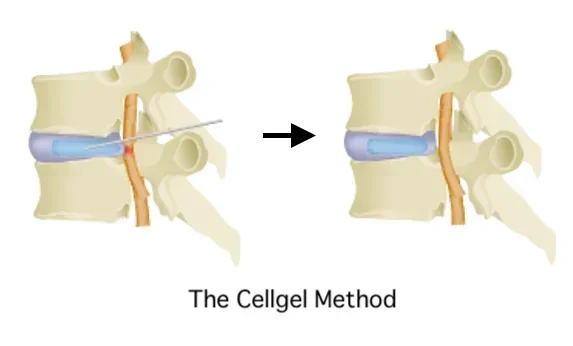
For this reason, we believe that preventing slippage requires addressing degenerative changes in the intervertebral disc. At our clinic, we perform the Cellgel Method for spondylolisthesis caused by disc degeneration.
This method involves injecting a specialized agent into the disc fissure, which then turns into a gel and repairs the crack, providing fundamental treatment. A key feature is that the disc volume is preserved, as the agent remains in the disc as a gel-like implant after treatment.
Since the Cellgel Method is a non-incisional treatment, unlike conventional surgery, it carries fewer post-operative risks.
👉 Click here for more information about the Cellgel Method
(*1) : I. Akkawi, H. Zmerly. Degenerative Spondylolisthesis: A Narrative Review. Acta Biomedica, vol. 92, No.6, 2021.
The Florence Method / The Q-Florence Method
The Florence Method and Q-Florence Method are low-risk, minimally invasive treatments.
A device is percutaneously inserted under local anesthesia and sedation to widen the narrowed spinal canal.
By inserting the device, the procedure aims to stabilize the vertebral body while maintaining spinal rotation and flexion, widen the spinal canal, suppress disc protrusion, and reduce ligamentum flavum hypertrophy (thickening). The widening of the narrowed spinal canal leads to pain relief.
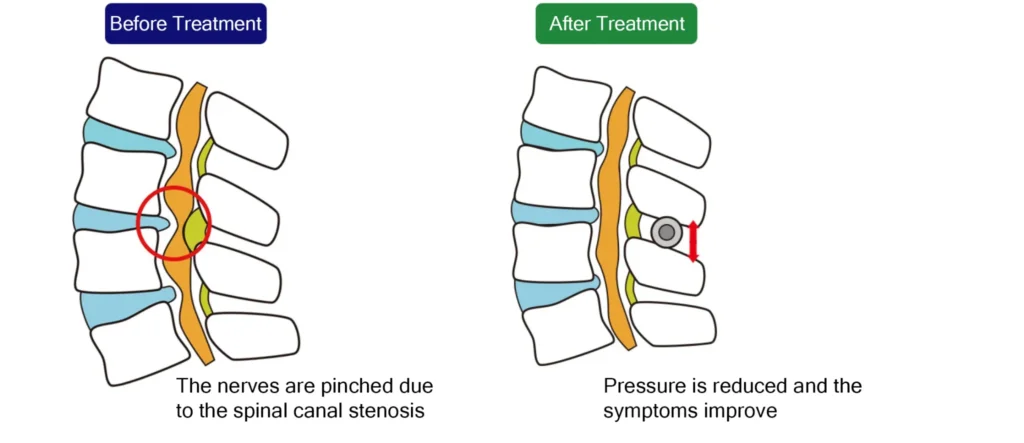
👉 Click here for more information about the Florence Method
👉 Click here for more information about the Q-Florence Method (article in Japanese)
If you have been diagnosed with spondylolisthesis, please consider scheduling a consultation at our clinic.
Related Articles
Is it Spondylolisthesis? How to Check if You Have The Symptoms
Do Corsets Work for Spondylolisthesis? Recommended Corset Types and How to Use Them Effectively
The Daily Movements and Exercises That You Should NEVER Do if You Have Lumbar Spondylolisthesis
Management Strategies for Spondylolisthesis Based on Symptoms
A must Do for Patients with Spondylolisthesis: Simple Stretches that Relieve the Pain