





Column Prevention of Acute Low Back Pain: How to Avoid Recurrent Back Injuries
March 6, 2026
The weather is still cold outside as we write this article.
Cold weather often brings an increase in cases of sudden lower back pain. During the winter months, we frequently receive inquiries from patients who experience what is commonly known as “lumbago”.
This article explains what acute low back pain is, why it tends to recur, what movements to avoid, and introduces stretching exercises to help prevent future episodes.
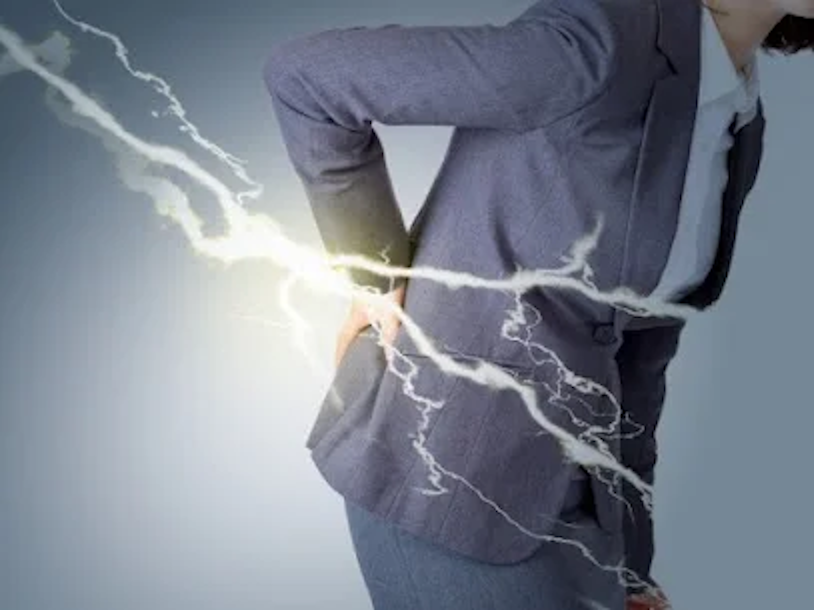
What is Acute Low Back Pain?
Acute low back pain refers to a sudden onset of severe pain in the lower back.
It can occur immediately after waking up or even without any obvious trigger. However, in many cases it occurs during the following movements or actions:
・Lifting a heavy object suddenly
・Twisting the upper body while holding something heavy
・Rapid twisting movements of the lower back
・Bending forward excessively
・Forcefully arching the back
・Even after sneezing
Why Acute Low Back Pain Often Recurs
One of the key characteristics of acute low back pain is that once it occurs, it tends to recur.
After an initial episode, the muscles and spinal structures may remain vulnerable. Without proper care and movement habits, the lower back can easily become strained again.
Movements to Be Careful About in Daily Life to Prevent Recurrence
To prevent recurrence, try to avoid forward bending, sudden movements, and prolonged sitting in daily life.
Preventing recurrent episodes largely depends on reducing unnecessary strain on the lumbar spine during daily activities.
When lifting objects, bend your knees to lower your body, keep the load close to your body, and take breaks and stretch every hour.
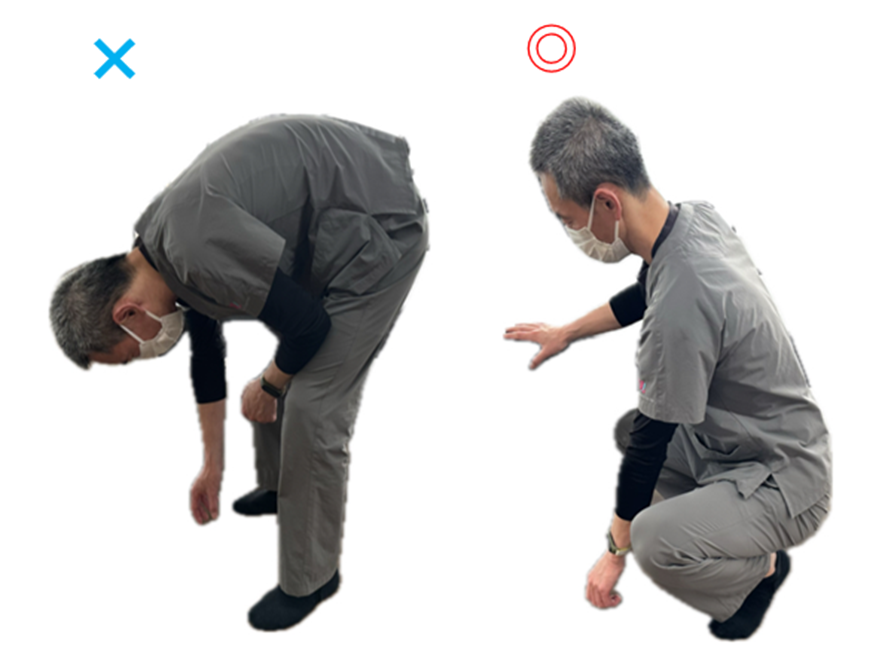
When Picking Up or Lifting Objects
✖ BAD: Bending only at the waist (forward bending) when lifting
✔ GOOD: Bend your knees into a squat and stand up while keeping your back straight
Tip: Keep the object close to your body when lifting.
When Sitting and Standing (Desk Work or Driving)
✖ BAD: Sitting for long periods, slouching, leaning forward
✔ GOOD: Sit with your pelvis upright and use the backrest
Tip:
Stand up and move around at least once every hour. Using a cushion or adjusting your computer monitor height can also help maintain proper posture.
When Starting Movements or Changing Posture
✖ BAD: Suddenly turning around or standing up quickly
✔ GOOD: Begin movements slowly and deliberately
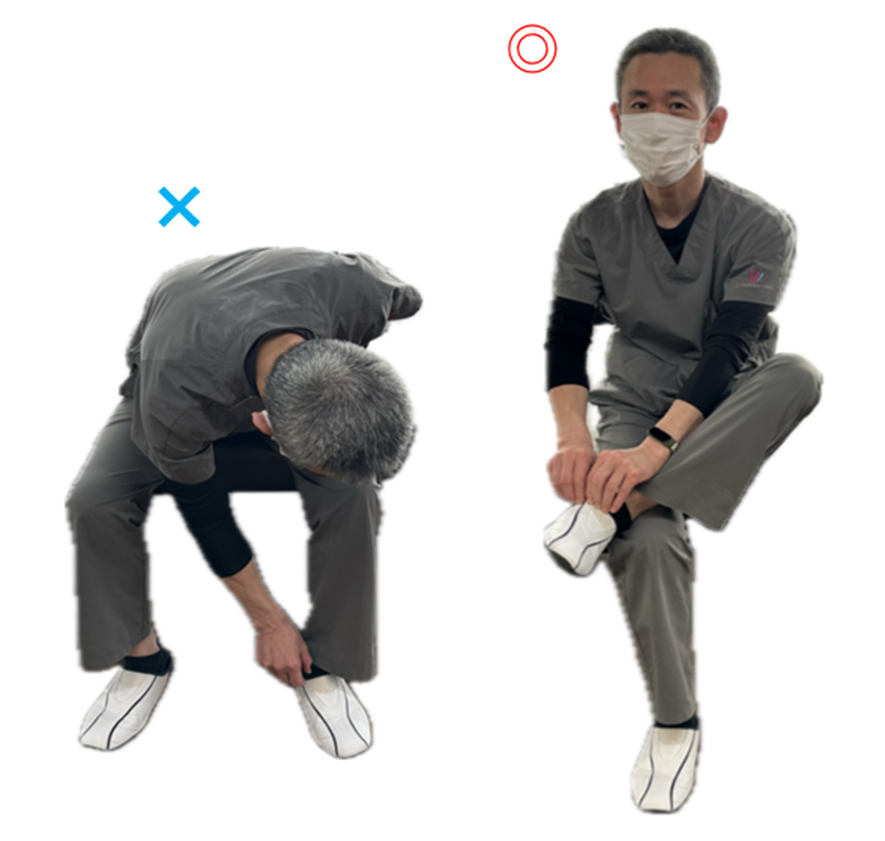
When Putting On Shoes or Getting Ready in the Morning
✖ BAD: Bending forward in a half-standing position
✔ GOOD: Sit on a chair or step while putting on or removing shoes
Additional Preventive Measures
Keeping the body warm can help reduce muscle stiffness. Taking a bath in lukewarm water (around 39°C / 102°F) may help relax the muscles.
When choosing bedding, avoid mattresses or futons that are too soft and allow excessive sinking. Ideally, select bedding that provides moderate firmness and proper spinal support.
Preventive Stretches to Perform on a Regular Basis
Regular stretching and light exercise are essential for maintaining spinal flexibility and preventing recurring lower back pain. Even simple daily exercises, such as radio calisthenics, can be beneficial.
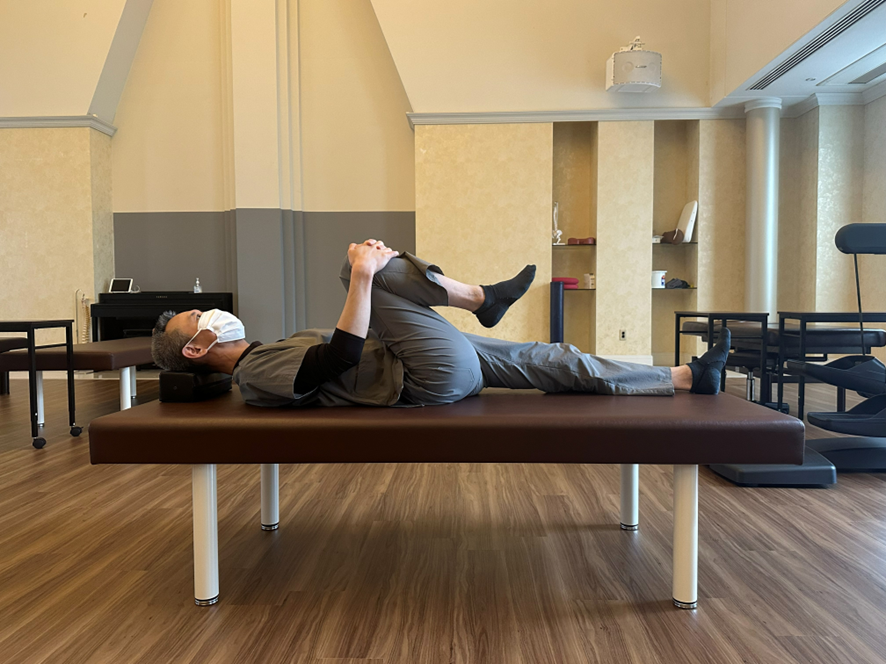
Knee-to-Chest Stretch
How to do it:
Lie on your back, hug both knees toward your chest, and gently stretch the lower back. Hold for 10–15 seconds.
Benefit:
Helps relieve tension in the lower back muscles.
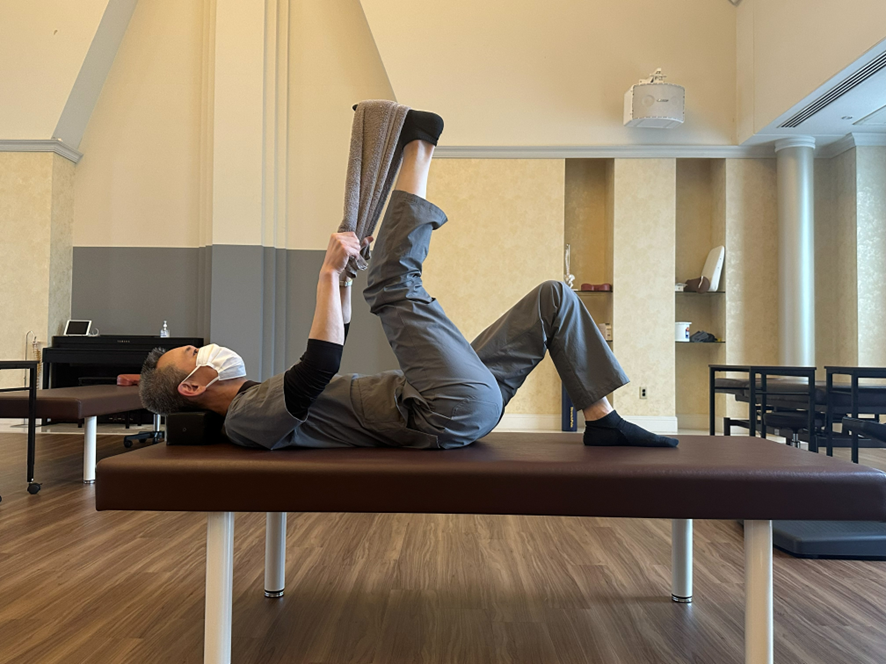
Hamstring Stretch
How to do it:
While lying down, raise one leg and pull your toes toward you using a towel. Slightly straighten the knee and feel the stretch in the back of the thigh.
Benefit:
Improves flexibility in the hamstrings and promotes smoother pelvic movement.
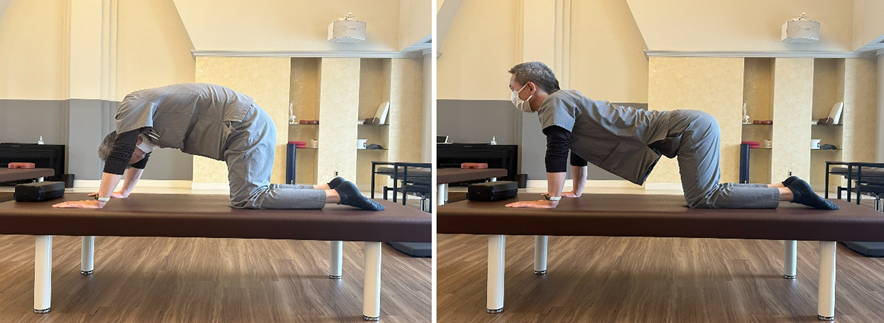
Cat Pose (AKA the Cat & Cow)
How to do it:
Get on your hands and knees.
Exhale while rounding your back (like a cat), then inhale while gently arching it (like a cow). Repeat about 5 times.
Benefit:
Improves flexibility and mobility of the spine.
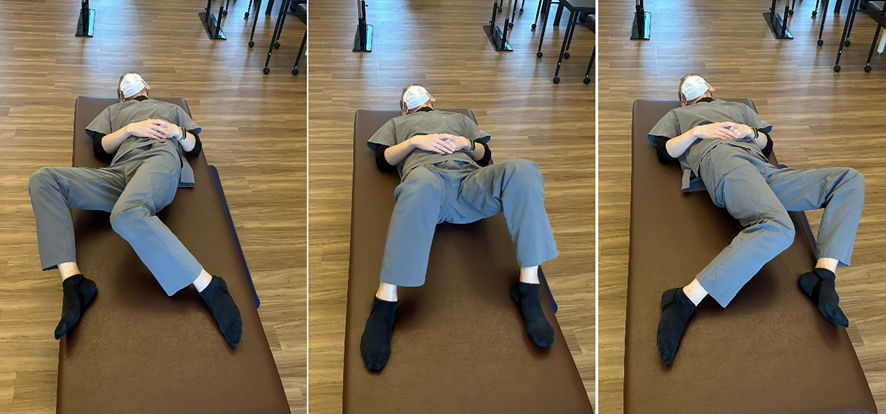
Hip Rotation Stretch
How to do it:
Lie on your back with your knees bent and slowly drop your knees to the left and right.
Benefit:
Loosens the hip joints and distributes stress away from the lower back.
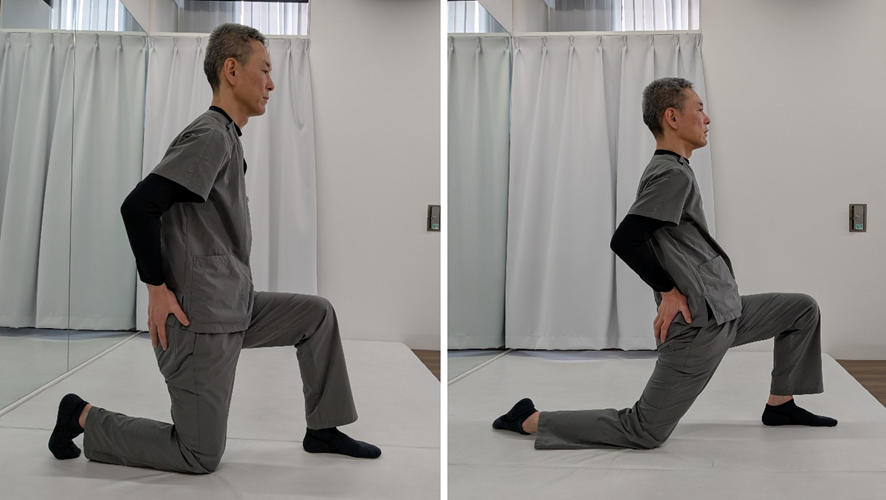
Hip Flexor Stretch
How to do it:
Kneel on one knee and move your hips forward. You should feel a stretch in the front of the hip of the leg that is behind.
Benefit:
Improves hip flexibility and helps prevent excessive arching of the lower back.
Treatment at Our Clinics
While lifestyle adjustments and stretching can help prevent lower back pain, patients who experience persistent or recurrent symptoms may benefit from a more fundamental treatment.
At our clinic, we offer the Cellgel Method, a treatment designed to repair damaged intervertebral discs.
In this procedure, a specialized therapeutic agent is injected into the cracks in the disc. The substance then turns into a gel that fills and stabilizes the fissures, helping restore structural integrity. The gel remains within the disc as an implant for life, preserving disc volume and supporting the natural structure of the spine.
Click Here to Learn More About The Cellgel Method
If you are suffering from lower back pain, please consider visiting our clinic for a consultation.
Related Articles
What is a “Strained Back”? What is the Reason Behind it? What is the Formal Name of That Condition?
What is the Best and Quickest Way to Cure a Strained Back?
My Back Pain Keeps Recurring…What Can I Do to Fix This?
Stretches that Help Ease Pain from a Strained Back
My Strained Back Makes it Impossible for Me to Sleep! We Offer Some Stress-free Advice to Find Sleep at Night