





Column Treatment Case Report No. 230| ILC International Lumbago Clinic (Osaka Clinic)
April 14, 2026
The patient
A female patient in her 70s.
The patient’s medical history to date
The patient has experienced recurrent strained back episodes for 40 years, managing them with nerve block injections and medication.
While episodes initially occurred once a year, symptoms began to worsen significantly 5 years ago.
Although she tried acupuncture and moxibustion, her condition would regress quickly.
Due to her job involving frequent standing, she experiences pain, and even in comfortable positions, she feels about 50% of her maximum pain level.
While an MRI was taken a year ago at another hospital, no specific diagnosis was provided.
Over time, pain and numbness in her lower limbs emerged. Witnessing an acquaintance’s post-operative progress made her want to avoid surgical intervention.
The patient visited our clinic seeking to improve symptoms.
Pre-treatment symptoms
Rolling over in bed: Easy
Standing up: Moderately difficult
Washing face (leaning forward): Moderately difficult
Semi-crouched posture / Prolonged standing: Moderately difficult
Prolonged sitting: Easy
Lifting/holding heavy objects: Moderately difficult
・Pain levels before treatment
| Lower back | Lower limbs | Numbness | Buttocks | |
|---|---|---|---|---|
| Pain level | 9 | 7 | 7 | 6 |
No pain at all is rated as 0, and the maximum possible pain is rated as 10.
Main areas of pain and numbness: lower back, lower limbs.
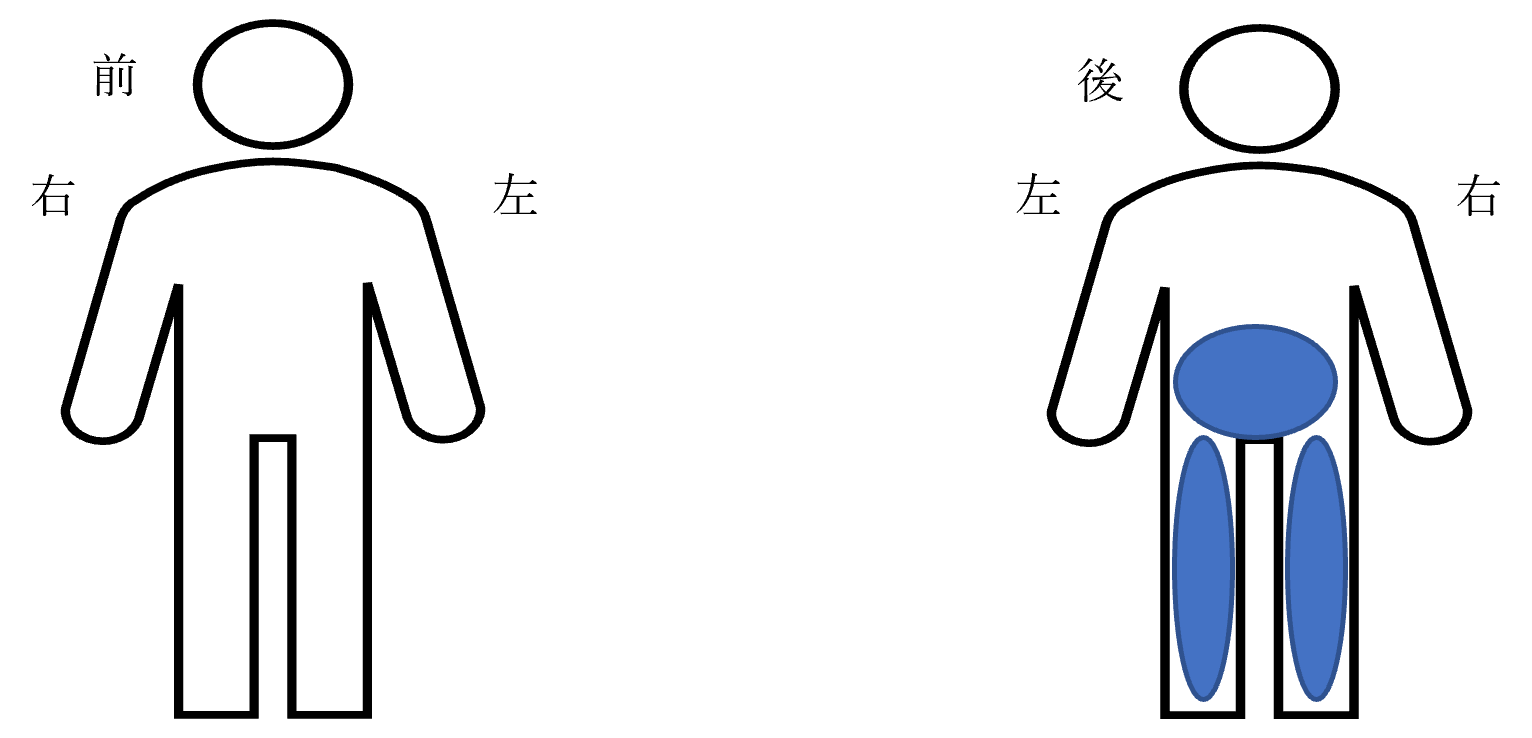
Bending forward: restricted due to pain
Bending backward: restricted due to pain
Lasegue test: negative
Point of tenderness: present at L3/4 to L5/S, predominantly on the right side
Coughing and sneezing: no aggravation
Additional explanations on our clinic’s medical examination
Imaging and findings
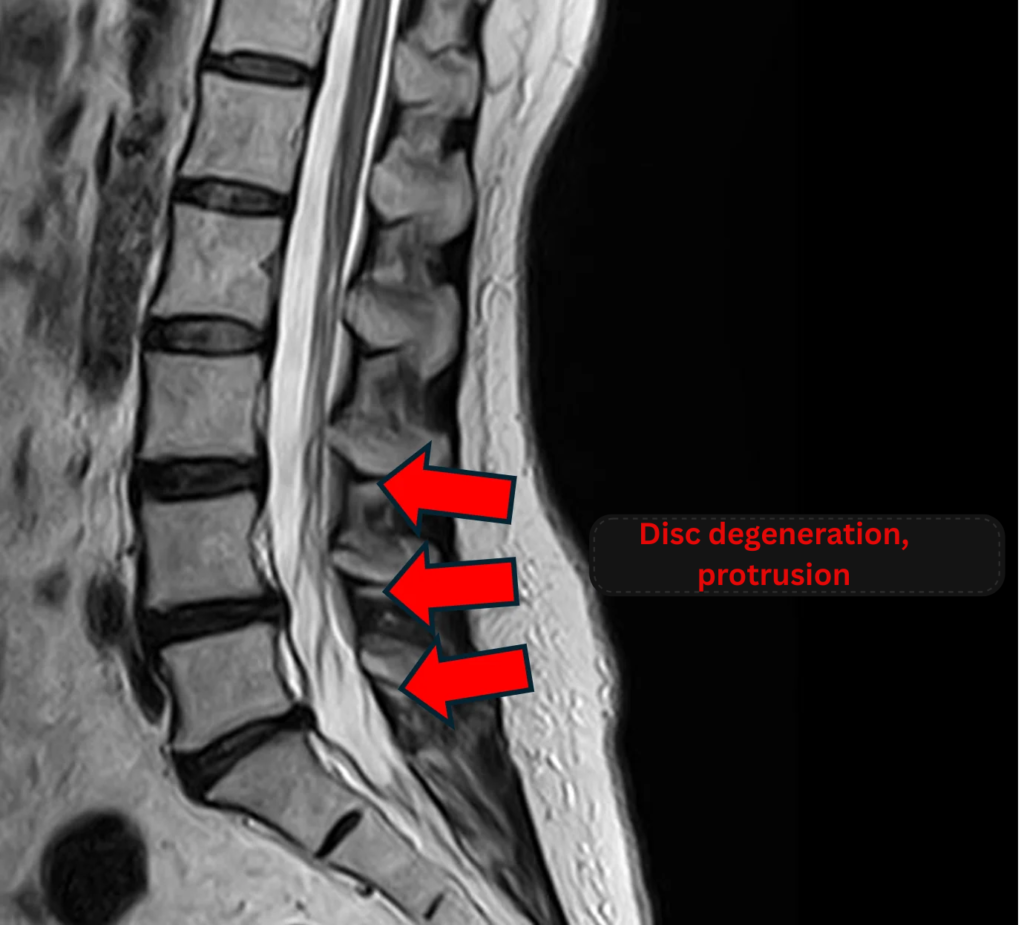
- L3/4, L4/5, L5/S: Disc degeneration, bulging, and foraminal stenosis.
The above findings were also observed on the imaging.
Imaging indicates that spinal canal compression caused by disc findings at L3/4, L4/5, and L5/S is the highly likely cause of the patient’s symptoms.
Treatment
After consulting with the patient, the Cellgel Method was performed on L3/4, 4/5 and 5/s.
The treatment was performed by Dr. Ohara.
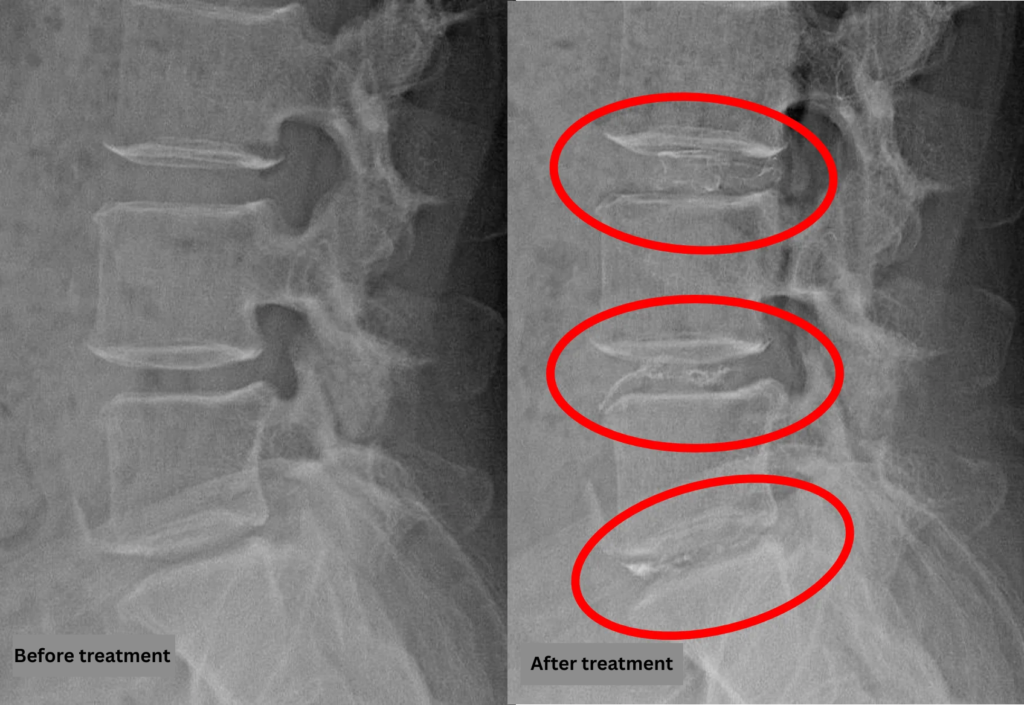
The treatment took about 30 minutes.
After resting in the recovery room, the patient was able to walk home by her own means.
Our Clinics’ Treatment
Additional information about the Cellgel method we have introduced in this column.
Cost of the Cellgel method: 1,320,000 yen per area (including tax) to 1,760,000 yen per 5 areas (including tax)
Risks and side effects of the Cellgel method: Transient pain may occur after treatment. Nerve damage is not a zero possibility due to the very nature of the treatment, but there have been no reports of damage so far in either report cases or publications. There is a very small possibility of allergic reactions to local anesthetics. Symptoms may temporarily worsen during the first week or two after treatment. This is believed to be due to the decompression effect of the implant, which retracts the surrounding tissues. In addition, if the disc is almost completely collapsed, treatment may be difficult. The doctor hold a consultation with you during your visit to the clinic to determine the best treatment option for your condition.
For more detailed information, please refer to the following links:
Blog page explaining the Cellgel Method in an easy-to-understand manner
The Cellgel Method on our treatment methods page
This article was written by the Administrative Director of our clinic