





Column Effective Diet for Preventing Lower Back Pain: A Registered Dietitian Shares the Best Foods for a Healthy Back
May 29, 2026
There is a close relationship between lower back pain and your dietary habits. This is because the nutrients absorbed from our diet play a vital role in maintaining and supporting structural tissues, such as intervertebral discs and muscles.
In this article, we will examine the direct connection between nutrition and the prevention of lower back pain.
The Relationship Between Lower Back Pain and Diet
Lower back pain and diet are deeply intertwined.
Nutritional imbalances and obesity increase muscle fatigue, trigger inflammation around the lower back, and place a heavy mechanical load on the intervertebral discs, leading to chronic back pain.
To combat this, it is crucial to consciously consume nutrients that promote tissue repair and possess anti-inflammatory properties—such as proteins and vitamins—while actively avoiding dietary habits that exacerbate pain.
Beneficial Nutrients for Your Back
Preventing low back pain requires adequate intake of nutrients that strengthen bones and muscles as well as nutrients that may help reduce pain.
Nutrients That Strengthen Bones and Muscles
Protein is vital for repairing muscles and ligaments and maintaining their general health. Aim to incorporate high-quality sources such as chicken, fish, eggs, and tofu into every meal in a well-balanced manner.
Calcium and vitamin D are also essential for maintaining bone density and reinforcing the structural foundation that supports the spine. Excellent choices include small fish, dairy products, and dried shiitake mushrooms.
Nutrients That Help Alleviate Pain
Vitamin B, which is found abundantly in pork, eel, soy products, and bonito, aids in repairing damaged nerve tissues and easing lower back pain and numbness.
Vitamin E promotes blood circulation, relieves muscle stiffness, and may help suppress substances that induce pain. Fatty fish (such as salmon and sardines) and nuts are also highly recommended.
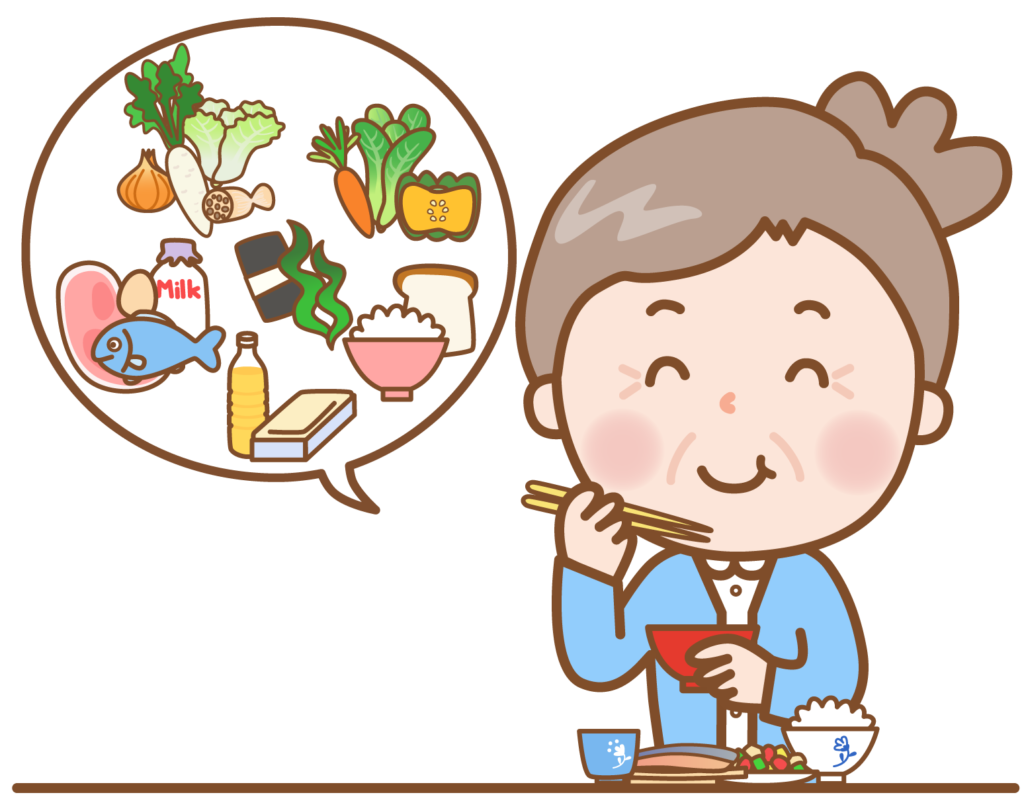
Key Considerations for Your Diet
When improving your eating habits, keep the following points in mind.
Foods to Avoid
Avoid foods high in sugar and fat, as they can accelerate systemic inflammation, increase the burden on intervertebral discs, and potentially worsen back pain.
Limit stimulants like alcohol, caffeine, and heavy spices, which can aggravate inflammatory responses in the body.
Weight Management
Excess body weight places a direct, continuous physical load on the lumbar spine. Avoid overeating and stop eating before feeling completely full (at about 80% full).
Keep Your Body Warm
Cold temperatures cause muscles to constrict and stiffen, which intensifies pain. Be cautious not to overconsume ice-cold beverages or raw vegetables, and incorporate warm soups in your meals.
Avoid Eating Too Quickly
Eating too fast places an unnecessary burden on the digestive organs.
Make a conscious effort to chew your food thoroughly. Chewing stimulates the satiety center in the brain, helping to prevent overeating. As a general guideline, aim to chew each mouthful at least 20 times.
However, don’t overthink it to the point where you stop enjoying your food. Remember that enjoying your meals is just as important for your overall well-being!
Treatment at Our Clinics
When experiencing lower back pain, fundamental medical intervention may sometimes be required alongside lifestyle adjustments.
Our clinic specializes in the Cellgel Method, a minimally invasive procedure designed to repair damaged intervertebral discs.
During the procedure, a unique therapeutic agent is injected with precision into the cracked sections of the disc. The agent transforms into a cohesive gel implant that fills and seals the tears, addressing the root cause of the issue. A key feature of this treatment is that it preserves the natural disc; the gel remains inside permanently as an implant to support the structure without reducing the overall volume of the intervertebral disc.
Click Here To Learn More About the Cellgel Method
In close cooperation with our affiliate, the OJ Wellness Center, we also integrate Eastern Medical systems and Ayurvedic principles to comprehensively address and manage patient pain.
Click Here To Learn More About the OJ Wellness Center
If you are suffering from chronic lower back pain, we encourage you to schedule a professional diagnostic evaluation at our clinic to explore your care options.
Related Articles
Differences Between Western and Eastern Medicine in Relation to Low Back Pain
The Relationship Between Stress and Back Pain: How to Maintain Good Mental and Physical Health
Back Pain and Physical Inactivity: How Moderate Exercise can Keep You Healthy
Low Back Pain and Posture: Reducing Pain by Adopting the Correct Posture