





Column Stop-gap Measures for Acute Low Back Pain: What Not to Do and the Right Way to Manage It
June 12, 2026
Many people who suffer from chronic back pain have experienced what is commonly known as acute low back pain.
In this article, we will explain the proper stop-gap measures to take when it happens, including what to avoid and what you should do immediately after symptoms begin.
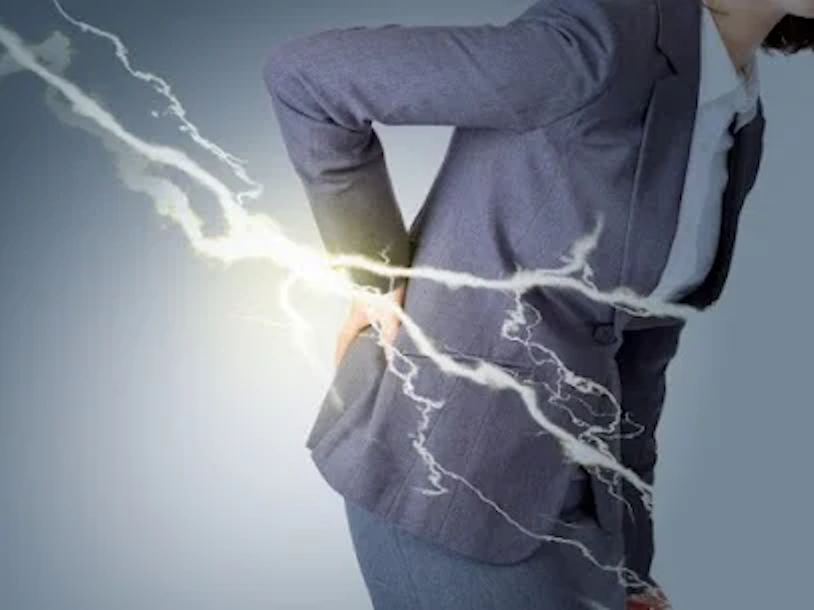
What is Acute Low Back Pain?
Acute low back pain refers to a sudden, severe onset of lower back pain.
While it can sometimes strike immediately after waking up in the morning or without any obvious trigger, it most frequently occurs during the following movements or actions:
• Attempting to lift a heavy object without warming up
• Twisting the upper body while holding something heavy
• Making sudden twisting motions at the waist
• Forcing the body into a forward-bending posture
• Forcefully arching or extending the back backward
• Sneezing
What are the Causes of Acute Low Back Pain
The causes of acute lower back pain can be broadly categorized into: (1) intervertebral disc damage, (2) facet joint disorders, and (3) muscle damage.
These types of injuries are often triggered by daily lifestyle habits. Specifically:
・Stiffness in the lower back and surrounding muscles due to a lack of exercise
・Daily posture (sitting too far forward in a chair, crossing your legs, sitting for long periods, slouching, frequently sleeping on the floor, etc.)
・An irregular diet
・Stress
By being mindful of these factors and making improvements one by one, you can prevent acute lower back pain.
Stop-gap Measures for Acute Low Back Pain
Actions to Avoid Immediately After Onset
✖ Bathing (Soaking in a hot tub)
Heating the affected area will aggravate inflammation and worsen the pain.
Stick strictly to quick showers for the first 2 to 3 days after onset.
✖ Vigorous massaging or stretching
While standard massaging and stretching can normally relieve tension, this is definitely not recommended during an acute episode of acute low back pain.
Doing so risks further tearing or damaging already injured muscles and ligaments. Keep the area at rest for the first few days.
✖ Prolonged bed rest over multiple days
While brief rest is necessary immediately after throwing out your back, staying bedridden for days may actually delay the recovery process.
Once the initial agonizing pain begins to quiet down, start moving gradually within a pain-free range. Try taking short walks around the house while keeping a close eye on your pain levels.
✖ Consuming alcohol
Avoid drinking alcohol while experiencing acute pain. Alcohol stimulates blood circulation, which actively fuels internal inflammation.
Stop-gap Measures That Work
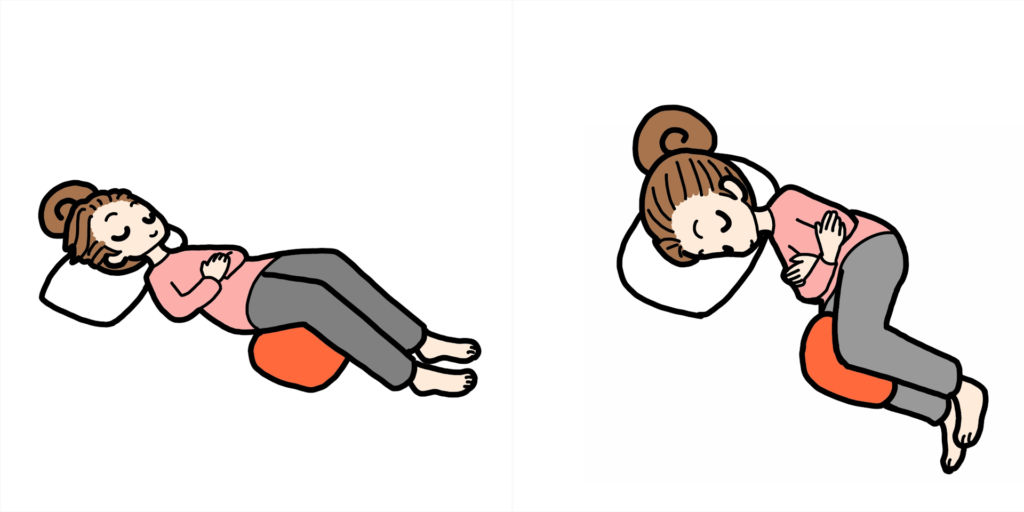
◎ Rest in a posture that minimizes pain
If lying on your back feels most comfortable, place a cushion or a rolled-up futon under your knees to keep them slightly bent; this relieves tension on the lower back.
If sleeping on your side, gently bend both knees and slightly round your back into a fetal position. Placing a cushion between your knees is highly recommended.
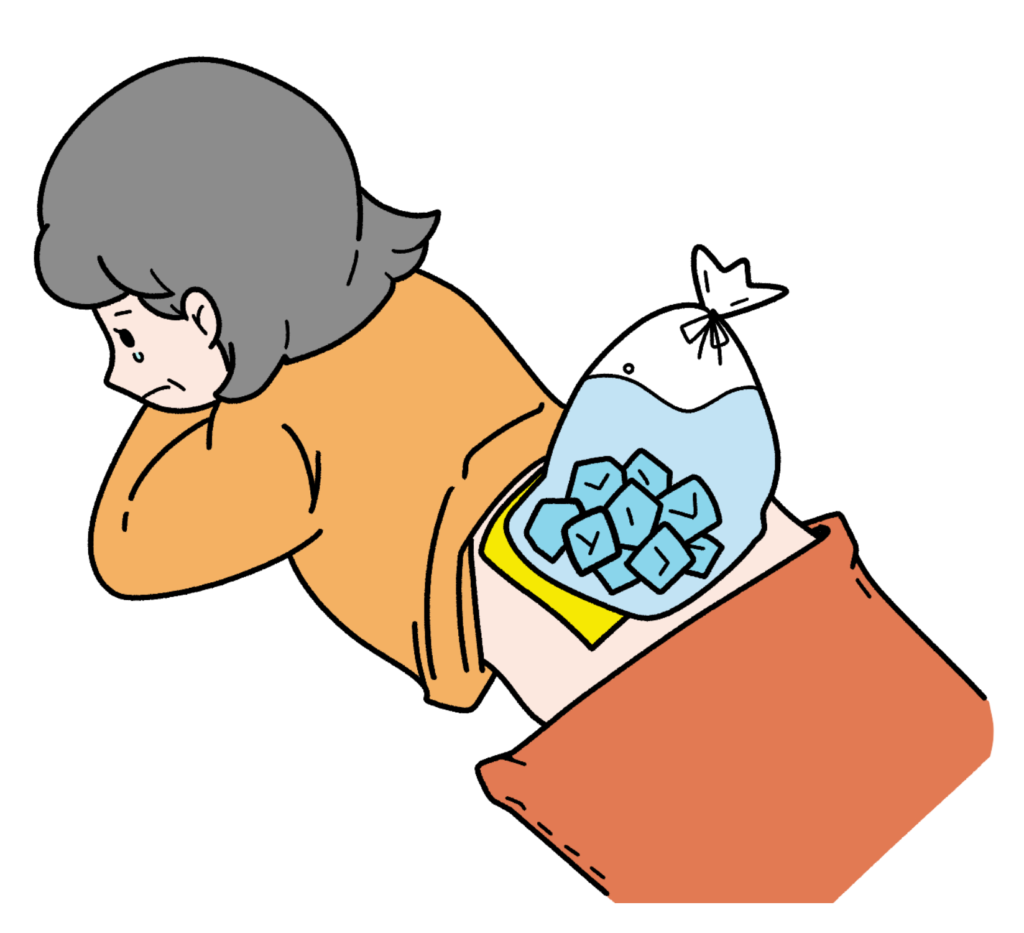
◎ Ice the affected area
Severe inflammation is usually present immediately after onset. Wrap an ice pack or ice bag in a thin towel and apply it to the painful area for 10 to 15 minutes at a time.
Remember: Avoid applying heat or massaging the affected area during this period, as doing so may worsen inflammation.
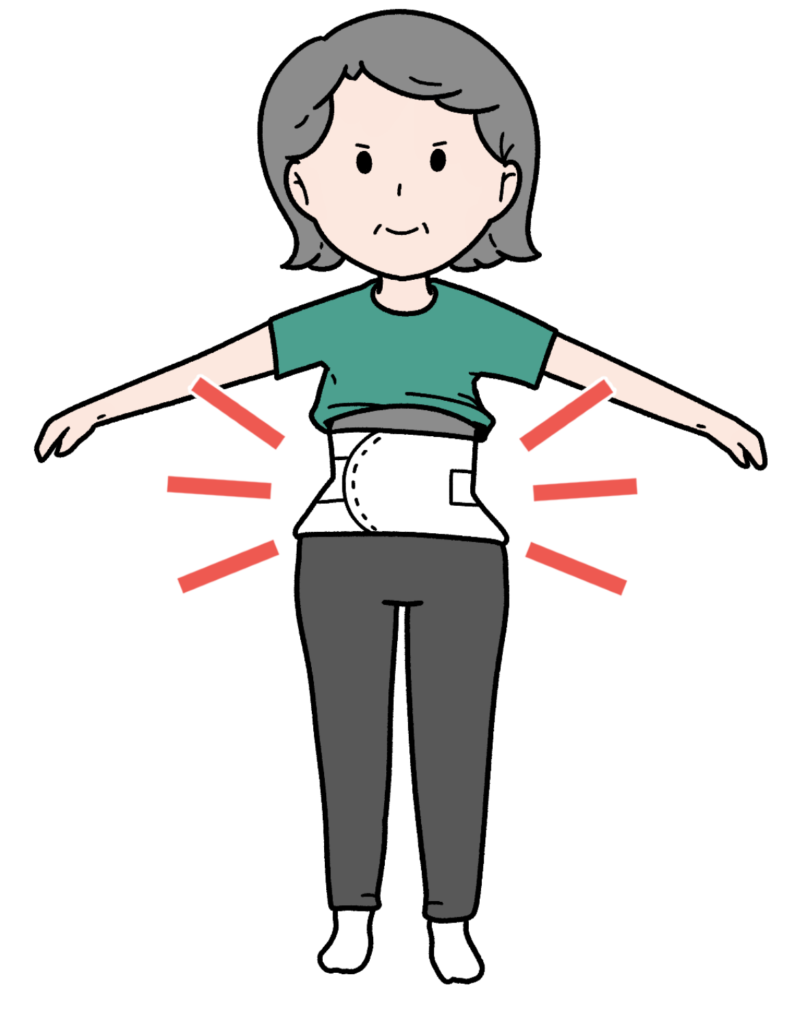
◎ Support the area with a corset or pelvic belt
Securing the lower back with a medical corset or supportive belt increases intra-abdominal pressure, which stabilizes the spine, eases pain and makes it significantly easier to move around.
◎ Use pain relievers or anti-inflammatory patches
Utilizing over-the-counter oral analgesics (pain relievers) or anti-inflammatory topical patches (compress sheets) is an effective way to manage the pain.
Treatment at Our Clinics
For long-term back pain sufferers, addressing the root cause through radical treatment is essential.
Our clinic specializes in the Cellgel Method, a highly advanced procedure designed to repair damaged intervertebral discs.
With the Cellgel Method, a specialized medication is injected directly into the cracks or tears of the intervertebral disc. The medication transforms into a gel status to seal and repair the disc structurally from the inside. A key feature of this treatment is that the disc’s volume does not decrease; the gel remains permanently within the disc as an implant, successfully preserving the existing disc structure.
Click here to learn more about the Cellgel Method
In addition, through the OJ Wellness Center, we provide specialized rehabilitation programs for low back pain that incorporate principles of Traditional Eastern Medicine and Ayurvedic Medicine.
Click here to learn more about the OJ Wellness Center
If you are experiencing persistent or recurrent low back pain, we encourage you to consult with our specialists.
Related Articles
What is a “Strained Back”? What is the Reason Behind it? What is the Formal Name of That Condition?
What is the Best and Quickest Way to Cure a Strained Back?