





Column How to Find a Top Specialist to Treat Spinal Canal Stenosis: Tips and Key Points to Check
January 23, 2026
When you have been diagnosed with spinal canal stenosis (a condition where the nerve pathway in the spine narrows), choosing the right hospital or physician can feel overwhelming. Here is a guide on the criteria you should use to find a specialist you can trust.
What is Spinal Canal Stenosis?
Spinal canal stenosis occurs when the spinal canal—the tunnel through which nerves travel—narrows, leading to nerve compression. If the lumbar spine is unstable, pain will often intensify with physical movement.
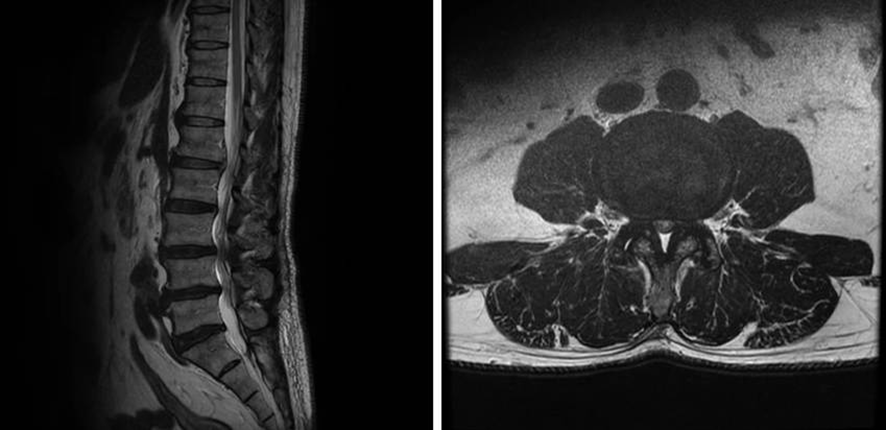
Common Symptoms of Lumbar Spinal Stenosis
The hallmark of spinal canal stenosis is numbness or pain from the waist down.
As the condition worsens, the distance you can walk without pain decreases. This can lead to leg weakness and loss of muscle strength, as well as a general decline in physical health.
This is called intermittent claudication, and is the most characteristic symptom of spinal canal stenosis. You experience pain or numbness in the buttocks and legs while walking, which improves once you rest but returns as soon as you resume walking.
5 Criteria for Choosing the Right Doctor
In order to to choose a doctor, most people may use basic criteria such as the number of surgeries performed, the physician’s position, or the nature of their academic degree.
However, a high position or academic degree does not necessarily mean the physician is highly skilled, nor does a lower position or lack of a degree mean the physician is unreliable either. Therefore, these factors alone are not always dependable.
So, what should be the primary focus when choosing a hospital or a physician?
The Area of Specialization
Spinal canal stenosis can be treated within orthopedic surgery, but this specific field of medicine includes various subspecialties such as spine surgery, sports orthopedics, and rheumatologic orthopedics.
Make sure you choose a physician who specializes in spine surgery.
Ideally, the doctor should have extensive experience not only with spinal stenosis, but also with related conditions such as disc herniation and spondylolisthesis.
The Number of Procedures Performed
The number of treatments or surgeries performed is also an important factor.
A higher volume of procedures performed generally indicates greater experience and increases the likelihood of receiving a treatment that is well suited to your specific condition and symptoms.
However, some facilities do not publicly disclose the numbers of procedures performed, so it is advisable to ask during inquiries or at the time of consultation.
Technical Skill
Technical skill is another crucial factor to consider.
Even in conventional surgery, a physician’s skill greatly influences the final outcome, and minimally invasive treatments require an even higher level of expertise.
One of the most reliable ways to assess this point is through feedback from patients who have actually received treatment.
If you know someone who has been treated at the facility you are considering, ask firsthand about their experience.
While online reviews may make it easy to gather information, be wary of fake or misleading reviews (including negative reviews by individuals who were never treated).
Communication and Explanation Skills
After making an accurate diagnosis, a physician must be able to clearly explain imaging findings and treatment options in a way that patients without medical knowledge can understand.
If patients cannot properly understand their condition or treatment, it will be difficult to make an informed decision.
If you are unsure whether to proceed with treatment, you may choose to first have a medical consultation and decide for yourself after hearing the physician’s explanation.
Human Qualities
Another important factor is personal integrity and character.
A physician should devote their full effort to each individual patient.
Unfortunately, some doctors attempt to elevate themselves by disparaging other physicians or medical institutions. It is best to avoid doctors who demonstrate such insincere or arrogant behavior. Sincerity and humility are key indicators of a trustworthy professional.
Essential Questions to Ask Your Doctor During Consultation
Before treatment, it is essential to undergo a medical consultation.
If you are uncertain about the treatment, choose a facility that allows sufficient consultation time. Very brief consultations may leave you without a clear understanding of your condition or treatment options.
During the consultation, you should not only listen — but proactively ask questions too to clarify your concerns.
Here are examples of relevant questions to ask when diagnosed with lumbar spinal stenosis:
What happens if lumbar spinal stenosis is left untreated?
If left untreated, pain and numbness in the legs may worsen, making walking increasingly difficult.
Muscle weakness may progress, increasing the risk of bladder and bowel dysfunction.
In severe cases, patients may end up requiring long-term nursing care.
Even if treatment is eventually performed, the recovery of the nerve function may be limited once the condition has significantly progressed.
Be sure to ask how your specific condition may progress in the future.
Can spinal canal stenosis recur after treatment?
Depending on the treatment method, recurrence is always a possibility.
You may wish to ask about recurrence rates and possible complications associated with the facility’s treatments.
After treatment, will I be able to return to specific activities like before?
Treatment options may differ depending on your goals — whether you simply want pain relief or wish to return to exercise or sports.
be sure to discuss your post-treatment goals with your doctor.
What precautions are necessary after treating spinal canal stenosis?
Recovery timelines may vary depending on the treatment method. Ask specifically about when you will be able to walk again, return home, and resume daily chores or exercise.
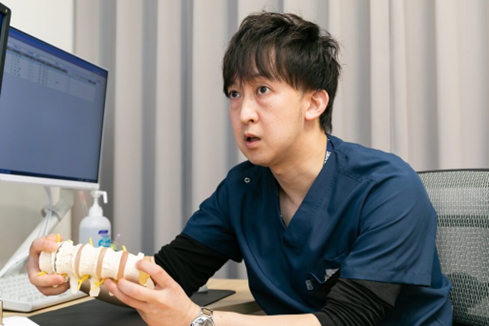
Our clinics’ treatments
At our clinic, doctors conduct thorough consultations lasting approximately 30 minutes, carefully evaluating each patient and proposing the most suitable treatment plan.
For patients who wish to know whether they are candidates for treatment before visiting, we also offer free imaging consultation reviews.
👉Free MRI Imaging Consultation
For lumbar spinal stenosis, we provide the Discogel Method, the Florence Method, and the Q-Florence Method.
All of these are minimally invasive treatments that place less strain on the body and are recommended for patients wishing to avoid major surgery under general anesthesia, such as spinal fusion.
👉The Q-Florence Method (article in Japanese)
If you have been diagnosed with spinal canal stenosis or suffer from chronic back pain, we invite you to consult with our specialists.
Related Articles
Lumbar Spinal Canal Stenosis: What is Actually Happening to my Body?
Diagnosis and Treatment of Spinal Stenosis: Why Early Detection is Critical
The Different Symptoms of Spinal Canal Stenosis: If You Have Any of These, it’s a Red Flag!
Why Do the Symptoms of Spinal Stenosis Differ From Person to Person?
Self-Check for Lumbar Spinal Stenosis Severity
What are the Various Complications Possible With Spinal Stenosis?
Walking Impediments Commonly Associated With Lumbar Spinal Stenosis