





December 5, 2025
Lumbar spinal stenosis refers to a condition in which the spinal canal — the passageway that houses the nerves—is narrowed and compresses the nerves.
Treatment options include conservative therapy as well as surgical interventions.
In this article, we will focus on walking impediments, one of the most characteristic symptoms associated with lumbar spinal stenosis.
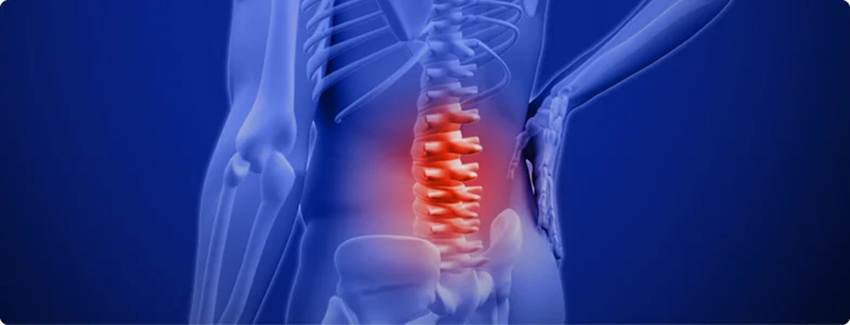
What Is Lumbar Spinal Stenosis?
Spinal canal stenosis refers to a condition where the nerve pathway inside the spine (the spinal canal) has become narrowed (stenosis), resulting in nerve compression. When the cause is lumbar spine instability, pain is often induced by body movements.
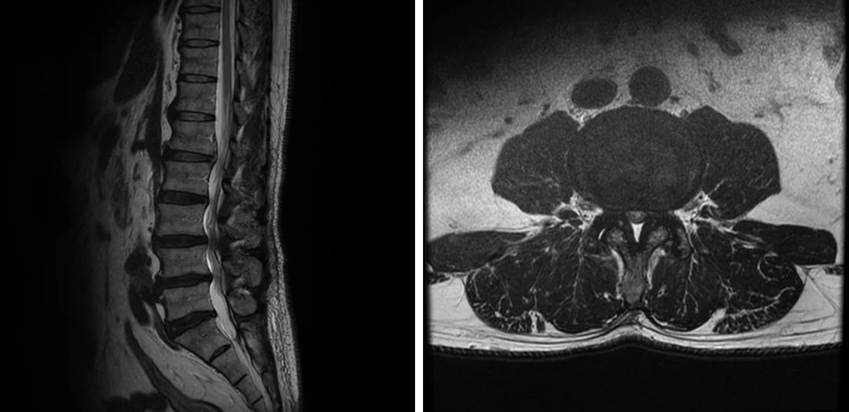
The characteristic Symptom of Spinal Canal Stenosis: Intermittent Claudication
In lumbar spinal stenosis, patients frequently experience pain and numbness in the lower back, buttocks, and legs. The characteristic symptom is intermittent claudication: pain or numbness occurs in the buttocks and legs while walking, subsides with rest, but returns when walking resumes.
A key feature is that pain and numbness intensify when standing upright or walking with the back extended, making it difficult to continue walking.
Symptoms are relieved when the patient adopts a slightly forward-leaning posture, such as when leaning on a cane or a shopping cart. Cycling also tends to be more comfortable than walking.
As the condition progresses, the distance a patient can walk shortens. The resulting reduction in mobility can lead to feelings of leg weakness and muscle atrophy, further worsening the condition.
Management Strategies for Intermittent Claudication
Improving posture and movement in daily life is important for managing walking difficulties associated with spinal canal stenosis.
Posture and Walking Adjustments
Since arching the lower back intensifies nerve compression, symptoms can be relieved by walking with a slight forward lean, consciously drawing the abdomen upward.
Using a cane or a walker can help maintain a slightly stooped posture, which alleviates the pain.
It is essential to take frequent breaks before the pain becomes too severe.
Exercise Therapy
Low-impact exercises such as walking, swimming, and cycling are recommended within a tolerable range.
Core muscle training and stretching are also effective.
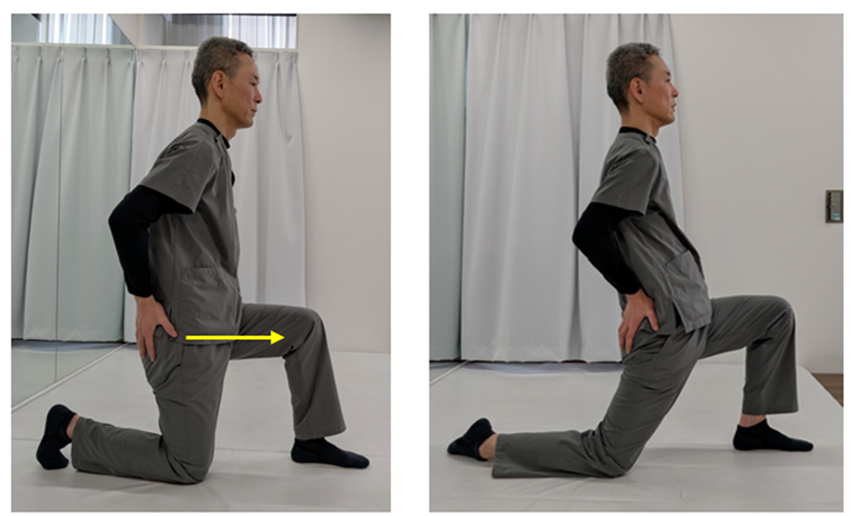
◎ Psoas Muscle Stretch
This stretches the muscles in front of the hip joint. Tightness in these muscles can cause the pelvis to tilt forward, leading to an arched lower back, which typically worsens low back pain.
① Assume a kneeling position
② Bring the left foot forward (foot flat on the floor)
③ Shift the pelvis forward
④ Feel the stretch at the front of the right hip joint.
⑤ Repeat with the other leg.
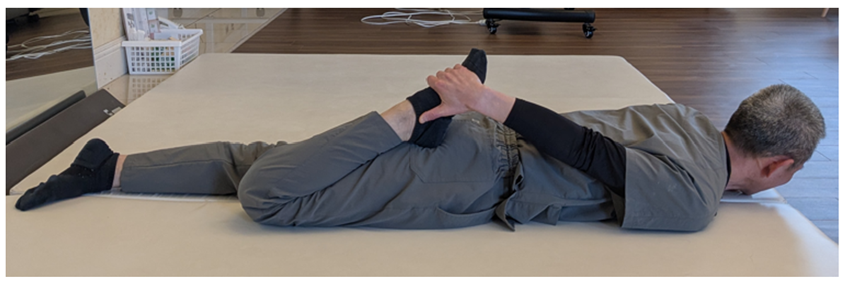
◎ Quad Stretch
Stretching the muscles at the front of the thigh helps prevent the forward pelvic tilt that leads to lordosis and subsequent low back pain.
① Lie face down
② Bend the right knee
③ Grab the foot with the right hand
④ Feel the stretch along the front thigh
⑤ Repeat with the other leg
Note: Perform stretches only to the extent that they do not cause pain. Consistency and daily practice are key to improving symptoms.
Precautions to Take in Daily Life
Be mindful of your posture daily, as arching the back compresses the nerves and strengthens symptoms. When sitting, use a cushion to maintain a comfortable posture. When sleeping, bend your knees to avoid a lordotic posture.
👉 🛌Diagnosed with Spinal Stenosis? — What Are The Recommended Positions to Sleep Comfortably?🛌
It is crucial to consult a specialist for proper diagnosis and treatment before symptoms become severe or the condition progresses.
Our Clinic’s Treatments
Our clinic offers the Florence Method, Q-Florence Method, and Cellgel Method for spinal canal stenosis.
The Florence Method and Q-Florence Method are low-risk, minimally invasive treatments for spinal canal stenosis.
A device is inserted percutaneously under partial anesthesia and sedation to mechanically widen the narrowed spinal canal. The device can be removed at a later stage if necessary.
This procedure stabilizes the vertebrae, widens the spinal canal, suppresses disc protrusion, and reduces the thickening of the yellow ligament while preserving spinal mobility. The widening of the spinal canal resolves the pain.
This is recommended for patients who have not improved with conservative treatment and wish to avoid major surgical procedures, such as spinal fusion, performed under general anesthesia.
👉 Click Here to Learn More About the Florence Method
Intervertebral disc degeneration often involves annular tears that allow disc material to protrude and compress the canal. If the tear is not repaired, recurrence is likely.
Our Cellgel Method is a fundamental treatment where a pharmaceutical agent is injected into the disc crack. This agent solidifies into a gel, which repairs the fissure. A unique feature is that the disc volume is preserved, as the agent remains in the disc as a gel-like implant after the procedure.
👉 Click Here to Learn More About the Cellgel Method
We also provide specialized rehabilitation programs addressing a broad range of lumbar disorders across various age groups.
👉 Click Here to Learn More About OJ Wellness Center
If you are suffering from spinal canal stenosis, please consider visiting our clinic for a consultation.
Related Articles
Feeling uncertain after diagnosis? Understanding second opinions for spinal canal stenosis
Lumbar Spinal Canal Stenosis: What is Actually Happening to my Body?
Why Do the Symptoms of Spinal Stenosis Differ From Person to Person?
Self-Check: Assessing the Progression of Spinal Stenosis
The Relationship Between Spinal Canal Stenosis and Leg Numbness
Diagnosis and Treatment of Spinal Stenosis: Why Early Detection is Critical
What Is the right timing to have spinal stenosis surgery? The Guidelines as Recommended by Doctors
What are the Various Complications Possible With Spinal Stenosis?