





Column Is Stress Causing Your Lower Back Pain? The Hidden Truth About Psychogenic Back Pain
March 30, 2026
It is a well-established fact that stress is significantly related to back pain.
In this article, we will explore the intricate relationship between psychological stress and spinal health.
The Relationship Between Lower Back Pain and Stress
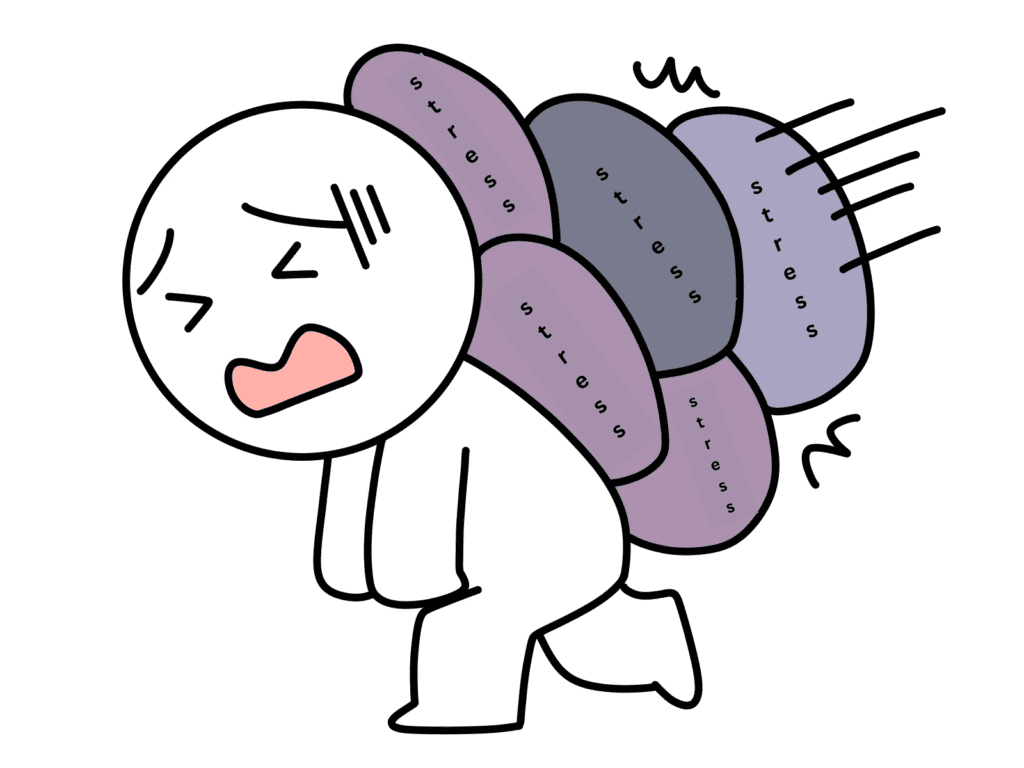
Stress has a profound impact on brain function, which can manifest as various physical ailments in the lower back (*1).
*1 : Anne-Katrin Puschmann, et al. Stress and Self-Efficacy as Long-Term Predictors for Chronic Low Back Pain: A Prospective Longitudinal Study. Journal of Pain Research. 13, 2020. Sungwoo Choi, et al. Association between chronic low back pain and degree of stress: a nationwide cross-sectional study. Scientific Reports. 11(1), 2021.
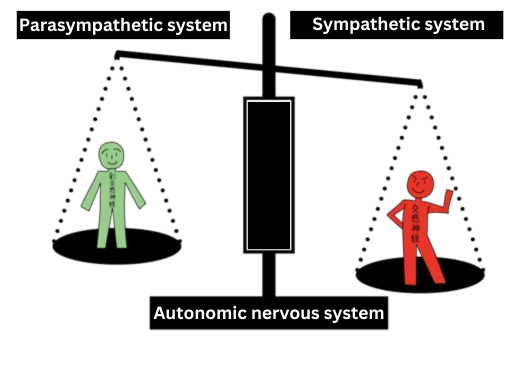
When you experience stress, the balance of your autonomic nervous system is disrupted. This causes the sympathetic nervous system to become overactive, leading to muscle tension and poor blood circulation.
Once blood flow is restricted, pain-inducing substances accumulate, triggering back pain.
Furthermore, as stress intensifies, the body naturally stiffens as a defense mechanism. This creates a vicious cycle: stress causes back pain, and the persistence of that pain becomes a new source of stress, making recovery more difficult.
What is Psychogenic Back Pain?
Even if an MRI diagnosis shows a herniated disc, the actual cause of the pain may not be the hernia itself, but rather psychological stress. This type of pain is referred to as psychogenic lower back pain.
The root causes are often related to stressors in daily life, such as interpersonal relationships at home or in the workplace.
Characteristics of Psychogenic Back Pain
 No significant abnormalities are found in MRI or other imaging tests
Herniation may be present, but its location does not match the area where symptoms occur
Pain intensity or location shifts from day to day
Pain persists even while at rest
Painkillers provide little to no relief
How to Prevent Stress-Related Back Pain
Daily self-care is essential for maintaining a healthy back and managing stress.
Balance the autonomic nervous system
Incorporate deep breathing into your routine to create moments of relaxation. Closing your eyes and repeating deep, slow breaths helps activate the parasympathetic nervous system.
Moderate Exercise
Light activities such as walking, jogging, and yoga improve circulation, reduce stress, and help alleviate back pain.

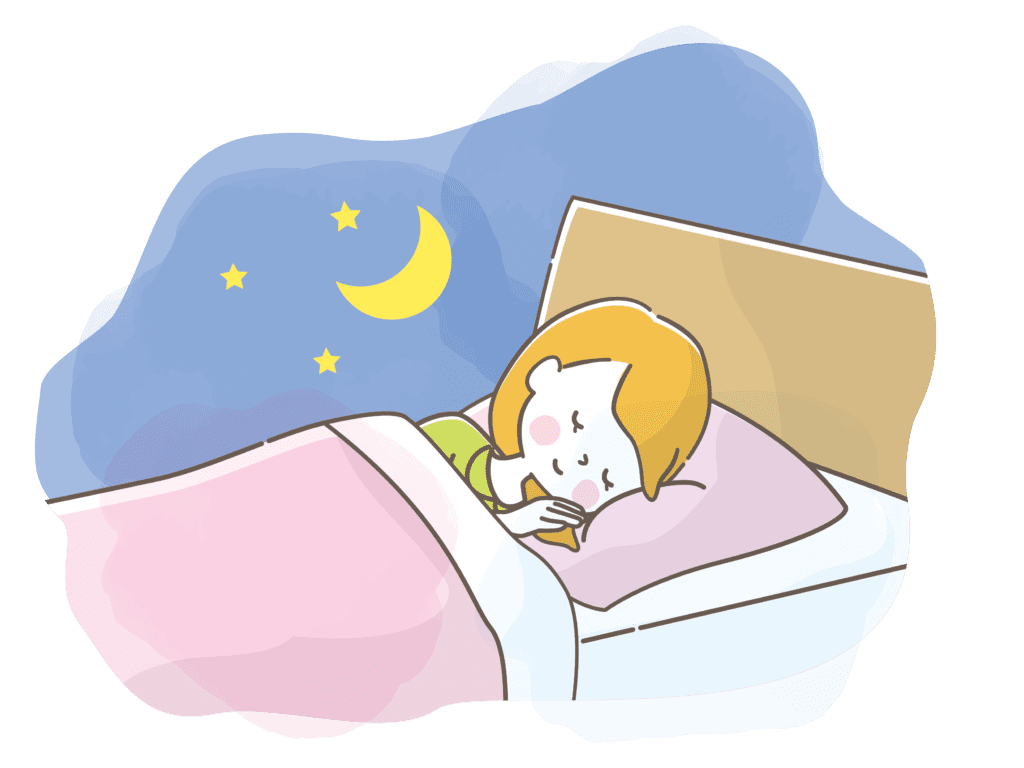
Get Quality Sleep
Quality rest allows the body to refresh and recover. Creating a relaxing environment before bed can contribute to relieve back pain.
Treatment at our clinics
While self-care is vital, fundamental medical intervention may be necessary when structural damage is involved.
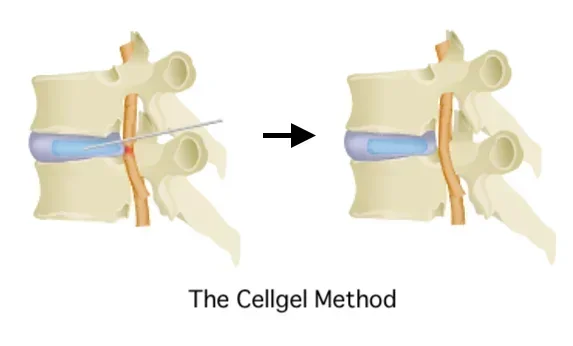
At our clinic, we perform the Cellgel Method, a procedure designed to repair damaged intervertebral discs.
This procedure involves injecting a substance that fills the cracks in the disc. The material then forms a gel-like implant, effectively repairing the damaged area. Unlike some treatments, it does not reduce disc volume, and the gel remains within the disc, helping preserve its structure.
If you are suffering from persistent back pain, we encourage you to schedule a consultation at our clinic to explore your options.
Related Articles
Are Hot Springs Really That Good For Back Pain? The Effects and Benefits of Hot Spring Spas
Differences Between Western and Eastern Medicine in Relation to Low Back Pain
🛌The Relationship Between Back Pain and Sleep: How to Create a Comfortable Sleeping Environment🛌