





Column A Medical Expert Explains The Surprising Connection Between Lower Back Pain and Internal Organs
April 17, 2026
When people experience lower back pain, they often assume that it must be caused by a spinal condition.
However, back pain can be triggered not only by spinal disorders but also by diseases of the internal organs that may seem unrelated to the back.
In this article, we will explain the connection between lower back pain and internal organs.
Back Pain Stemming from Internal Organ Disorders
Back pain can sometimes result from specific diseases affecting the internal organs, or from general visceral fatigue.
Low Back Pain Caused by Diseases in The Internal Organs
If there is an underlying illness in an organ, it can manifest as referred pain in the lower back.
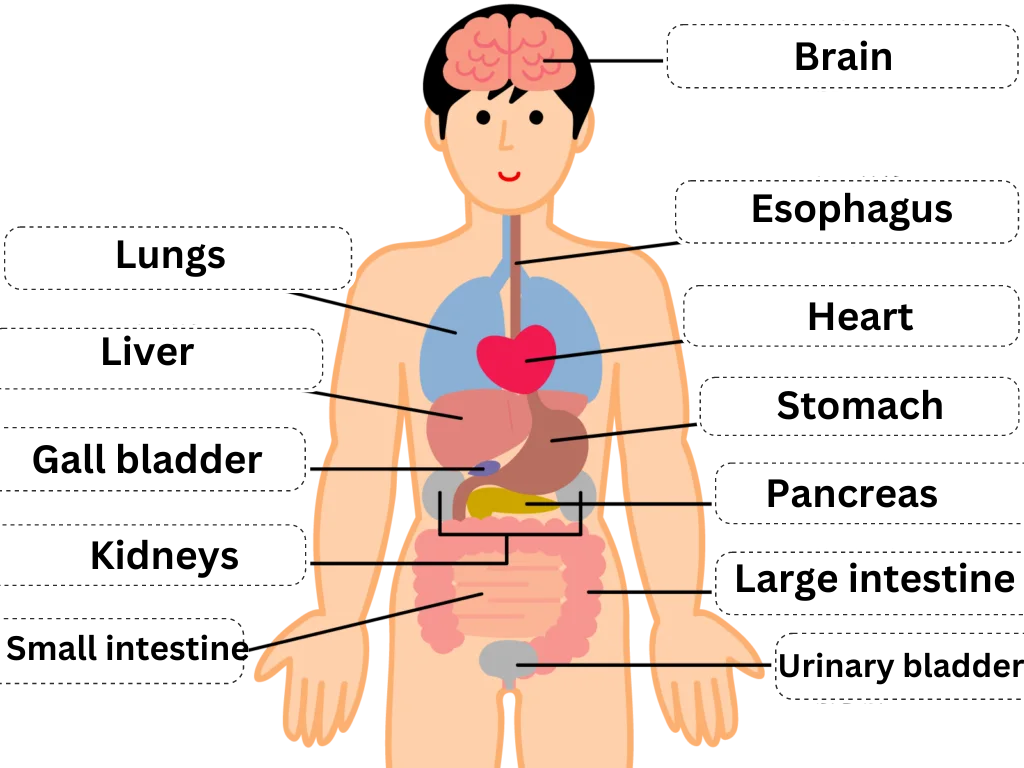
▶ Disorders in The Digestive System
Digestive System Disorders: Conditions such as gastric or duodenal ulcers, gallstones, cholecystitis, and pancreatitis can cause back pain. These are often accompanied by abdominal pain, bloody stools, nausea, or vomiting.
▶ Urinary System Disorders
Urinary tract stones, kidney stones, pyelonephritis (kidney infection), and prostate cancer are common culprits. These are characterized by urinary dysfunction or hematuria (blood in the urine).
▶ Gynecological Disorders
Endometriosis and uterine cancer can cause lower back pain, often accompanied by abnormal vaginal bleeding.
▶ Cardiovascular Disorders
During a myocardial infarction (heart attack), one may feel a squeezing pain in the back or lower back. In the case of a dissecting abdominal aortic aneurysm, sudden and excruciating pain typically radiates through the lower back and lower abdomen.
Low Back Pain Caused by Internal Organ Fatigue
Lifestyle factors like overeating, excessive alcohol consumption, or lack of sleep can also lead to back pain.
The internal organs continuously perform digestion, absorption, and metabolism processing. When the volume of intake is too high, excessive stress is placed on the body and the organs become overworked, leading to fatigue and decreased function.
When fatigue builds up, the internal organs become progressively tense or congested, and put pressure on the adjacent bones and muscles, leading to pain.
In addition, internal organs may begin to sag downward (visceral ptosis), which may impair systemic blood circulation and lead to pain throughout the body.
Warning Signs Suggesting an Internal Organ Disorder
Certain characteristics of low back pain may indicate that an internal disease is the underlying cause.
Low back pain associated with internal organ disorders often has the following characteristics:
 Pain at rest or during the night
Pain regardless of posture or movement
Persistent pain that gradually intensifies over time
Associated symptoms such as fever, chills, blood in urine, abdominal pain, nausea, vomiting, or jaundice
If you develop low back pain, avoid self-diagnosis and seek medical evaluation at an appropriate healthcare facility.
We especially recommend immediate medical attention if any of the following symptoms are present:
・Fever above 38°C (100.4°F)
・Blood in the urine or abnormal stool findings
Treatment at Our Clinics
Our clinic specializes in the treatment of low back pain caused by intervertebral disc damage.
We offer the Cellgel Method, which involves injecting a specialized medicinal agent into the cracks of a damaged disc. The agent solidifies into a gel, sealing the cracks and providing fundamental repair. A key feature of this treatment is that it preserves the disc; the agent remains as a gel-like implant, ensuring that disc volume does not decrease.
👉 Click Here to learn More About the Cellgel Procedure
In collaboration with the OJ Wellness Center, we also incorporate approaches from Oriental Medicine and Ayurvedic Medicine. This allows us to address a wide range of back pain causes across all age groups.
👉 Click Here to learn More About OJ Wellness Center
If you are suffering from persistent back pain, please consider scheduling a consultation at our clinic to determine the root cause.
Related Articles
Differences Between Western and Eastern Medicine in Relation to Low Back Pain