





Column Lower Back Pain Specific to Women: How Menstruation, Pregnancy, and Childbirth Can Cause Back Pain
April 25, 2026
While lower back pain can stem from various sources—such as spinal disorders like lumbar disc herniation or referred pain from internal organs—some types of back pain are uniquely specific to women.
In this article, we will explain the causes and management of lower back pain in women.
Causes of Lower Back Pain Specific to Women
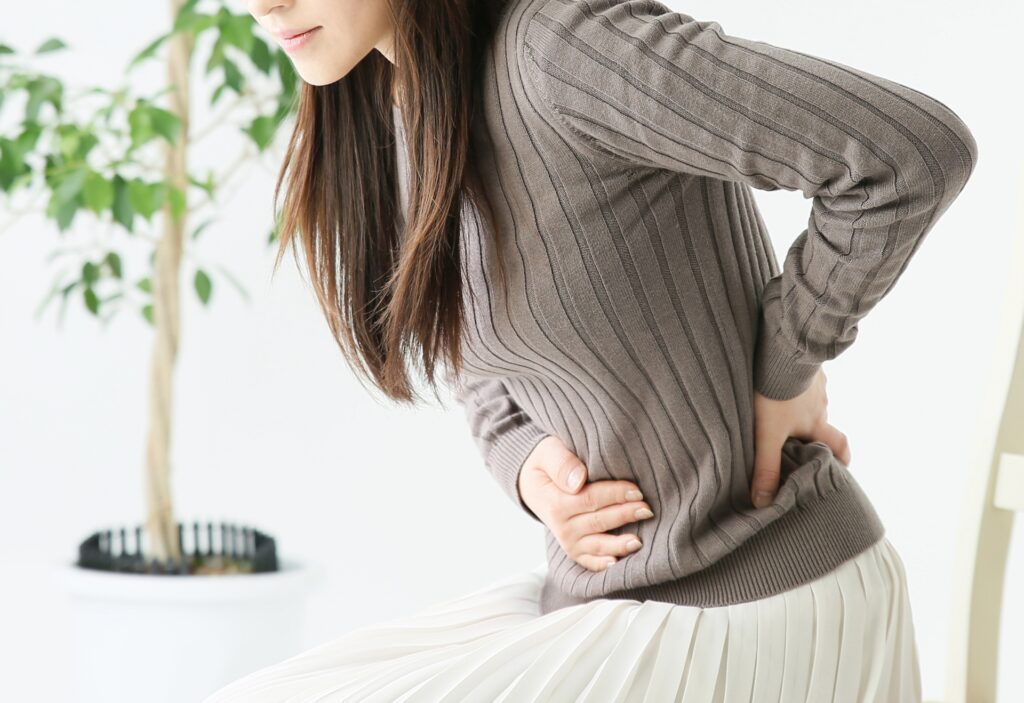
Lower back pain in women is primarily caused by hormonal fluctuations associated with menstruation, pregnancy, and childbirth, which can lead to pelvic instability, as well as disorders affecting the pelvic organs (such as endometriosis).
The Impact of Hormonal Imbalance
Before and during a menstrual period, the secretion of prostaglandins (which cause the uterus to contract) can produce a heavy, dull ache in the lower back along with lower abdominal pain.
During pregnancy, as the abdomen expands, the lower back tends to arch excessively (hyperlordosis), increasing stress on the lumbar spine and causing pain. After childbirth, hormonal changes loosen the pelvic ligaments, making the pelvis unstable and increasing the likelihood of low back pain.
Gynecological Disorders
If lower back pain is unrelated to the menstrual cycle or persists outside of your period, it may be caused by an underlying gynecological condition.
Chronic pelvic pain or a throbbing sensation that occurs even while sitting are characteristic of back pain caused by conditions like endometriosis or uterine fibroids. Additionally, inflammation involving the uterus or ovaries may also spread and trigger pain in the lower back.
Menopausal Symptoms
During perimenopause and menopause, the decline of the female hormone named estrogen can lead to poor blood circulation, hypersensitivity to cold, and a weakening of bones and muscles, all of which may contribute to lower back pain.
Physical Anatomy(h3)
On average, women have less muscle mass around the core and lower back compared to men. This makes the lumbar spine more vulnerable to structural strain and load. This anatomical difference is another contributing factor to female-specific low back pain.
Lifestyle Factors
Women who wear high heels frequently end up with an arched lower back. This increases the strain on the lower back, leading to back pain.
Women often experience high sensitivity to stress, which can disrupt the autonomic nervous system. This disruption may increase muscle tension, frequently exacerbating lower back pain.
Care and Management Methods for Low Back Pain in Women
The keys to managing lower back pain specific to women are improving blood circulation around the pelvis and maintaining core muscle strength.
Stretching to Improve Flexibility
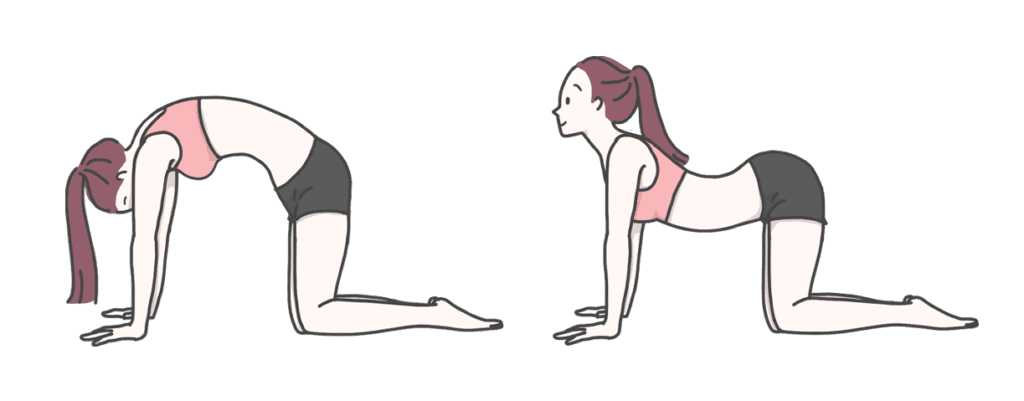
Loosening the gluteal (buttocks) muscles, which have a tendency to stiffen, can reduce the strain on the lower back and alleviate back pain.
The Cat & Cow stretch, performed on all fours by alternately arching and rounding the back, can help improve pelvic alignment and reduce discomfort.
Building Muscle Strength
Pelvic floor muscle exercises — tightening the muscles used to stop urination — are recommended to strengthen pelvic support weakened by pregnancy and childbirth.
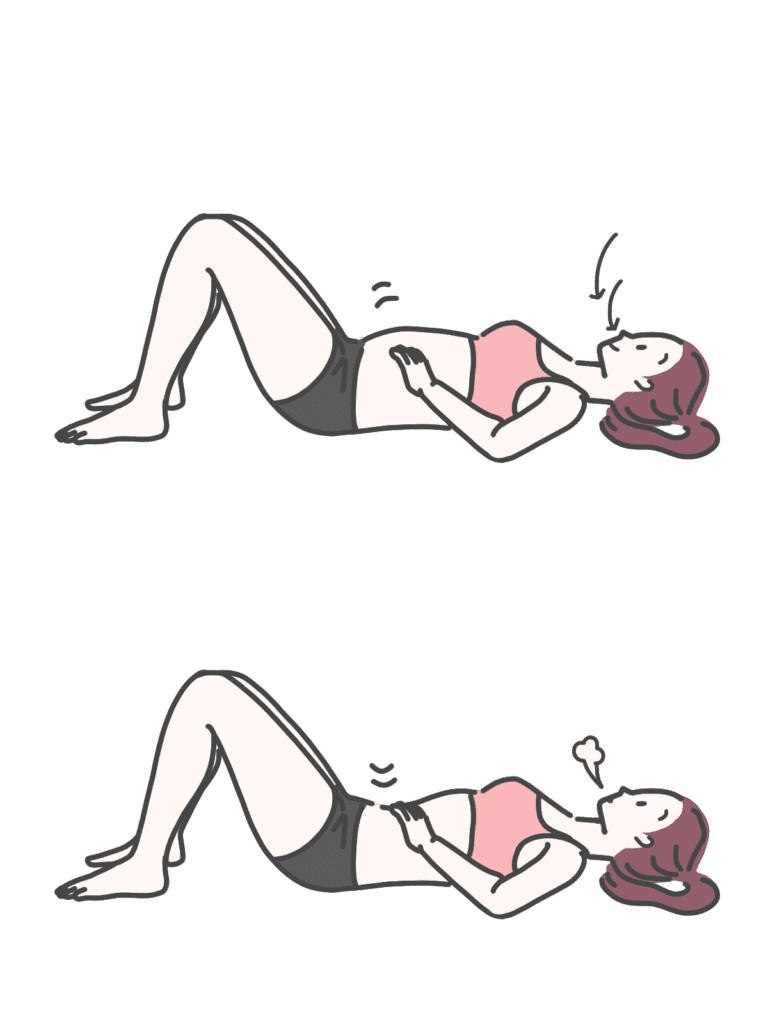
Draw-in exercises, which involve gently pulling in the abdomen to activate the transverse abdominal muscles while stabilizing the spine, can also be effective.
Improving Circulation to Prevent Coldness
Keeping the lower back warm (especially around the sacrum) with heating pads or a warm bath can help relax muscle tension.
Engaging in light aerobic exercises, such as walking, helps stimulate systemic blood flow.
Improving Daily Habits
When sitting, keep your pelvis upright and be mindful of maintaining proper posture by sitting on your sit bones.
Avoid remaining in the same position for prolonged periods, whether during desk work or standing tasks. Make an effort to move regularly.
Re-evaluate your sleeping environment. Using a mattress and pillow that properly support your body contours can minimize mechanical stress on your spine during sleep.
Points of Caution
If the pain is severe or persistent, do not force yourself to exercise. Instead, consult a medical professional such as an orthopedic specialist or gynecologist.
Getting an early and accurate diagnosis is highly recommended to receive appropriate care—especially if your symptoms are correlated with your menstrual cycle.
Treatments at Our Clinics
Our clinic specializes in advanced treatments for lower back pain caused by damage to the intervertebral discs.
We offer the Cellgel Method, a procedure where a specialized medicinal agent is injected into the cracks of a damaged disc. The agent transforms into a gel to seal and repair the disc structure fundamentally. A key advantage of this procedure is that it preserves the disc; the agent remains permanently as a gel-like implant, ensuring that disc volume does not decrease over time.
Click Here to Learn More About the Cellgel Method
In partnership with the OJ Wellness Center, we also integrate Eastern Medicine and Ayurvedic approaches. This allows us to provide comprehensive care tailored to various types of back pain across all age groups.
Click Here to Learn More About the OJ Wellness Center
If you are suffering from persistent lower back pain, please consider scheduling a consultation at our clinic to explore your options.
Related Articles
Differences Between Western and Eastern Medicine in Relation to Low Back Pain
A Medical Expert Explains The Surprising Connection Between Lower Back Pain and Internal Organs