





Column Is Bathing Really Effective for Lower Back Pain? A Doctor Explains the Proper Approach to Bathing and Heat Therapy
July 17, 2026
It is often said that taking a bath can help improve lower back pain. However, bathing incorrectly may make symptoms worse in some cases.
This article explains the relationship between lower back pain and bathing, as well as effective bathing methods.
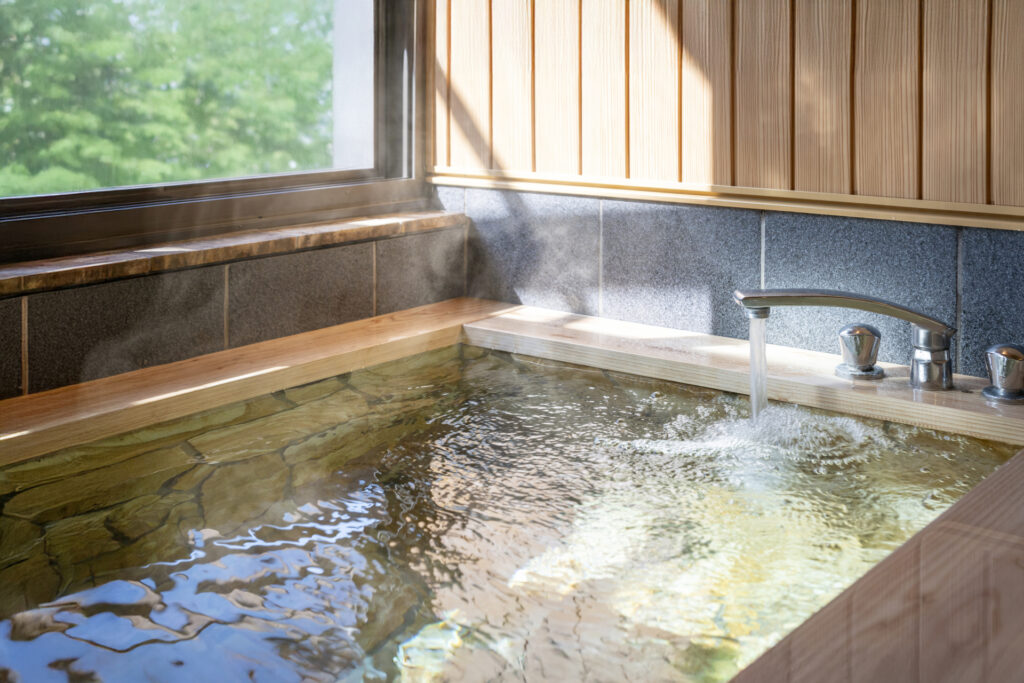
Bathing and Lower Back Pain
Soaking in warm water improves blood circulation, reduces muscle tension, and can help alleviate pain.
Bathing is particularly effective for chronic lower back pain. Chronic lower back pain can develop when daily strain accumulates in the lower back, causing the muscles to become tense, tight, and stiff, resulting in a heavy, dull pain that gradually persists over a long period of time. Warming the body in a bath promotes blood circulation and may help improve lower back pain.
Gentle exercise while soaking in the bath may provide additional benefits. Stretching after bathing is also recommended.
Caution Required!
Although bathing can be beneficial for chronic lower back pain, it may have the opposite effect in cases of a sudden onset of severe back pain.
Acute lower back pain involves inflammation in the lower back, and applying heat can worsen the pain. In acute cases, it is best to avoid warming the affected area—not only through bathing, but also with heating pads, electric blankets, and similar products.
Recommended Bathing Methods for Relieving Lower Back Pain
It is recommended to soak in comfortably warm water at 40°C (104°F) or below, with the water reaching approximately the level of the upper abdomen (solar plexus).
Lean slightly backward while bathing to avoid placing excessive strain on the lower back.
After taking a half-body bath for approximately 10–30 minutes, briefly immerse yourself up to the shoulders before getting out.
After bathing, taking a relatively hot shower at approximately 45–50°C (113–122°F) may provide additional benefits.
Gentle exercises in the bathtub can also be effective.
- Hold both sides of the bathtub with both hands and slowly twist your waist from side to side.
- Place one hand on each side of the bathtub, then repeatedly raise and lower your hips.
When performing these exercises, be conscious of engaging your abdominal muscles.
Precautions After Bathing
Warming your body through bathing can have the opposite effect if you subsequently become chilled. After bathing, it is important to thoroughly dry yourself and keep your body warm.
The following points should also be kept in mind:
 Avoid bathing immediately before or after meals, as well as after drinking alcohol.
Avoid bathing when excessively fatigued or immediately after exercise.
Elderly people and those with physical disabilities should preferably avoid bathing alone.
To prevent dehydration during or after bathing, drink approximately one glass of water beforehand.
Our Clinics’ Treatment
At our clinic, we offer the Cellgel Method, a treatment designed to repair damaged intervertebral discs.
With the Cellgel Method, a therapeutic agent is injected to fill the cracks in the intervertebral disc. The medication then turns into a gel and fills the disc, allowing for a fundamental treatment aimed at addressing the underlying condition. A characteristic of this treatment is that the volume of the intervertebral disc does not decrease, and the medication remains in the disc as a gel-like implant after treatment, thereby preserving the intervertebral disc.
Learn More About the Cellgel Method
We also provide lower-back-pain-focused rehabilitation at the OJ Wellness Center, incorporating approaches from Eastern medicine and Ayurvedic medicine.
Learn More About OJ Wellness Center
If you are suffering from lower back pain, we encourage you to visit our clinic for a medical consultation.
Related Articles
Are Hot Springs Really That Good For Back Pain? The Effects and Benefits of Hot Spring Spas