





Column 3 Tips to Reduce the Strain on Your Back When Driving That Works Even With Lower Back Pain
August 21, 2026
Long hours of driving can contribute to lower back pain.
In this article, we explain why driving can cause or worsen lower back pain and what you can do to reduce the strain on your lower back while driving.
Why Long Hours of Driving Can Cause Lower Back Pain
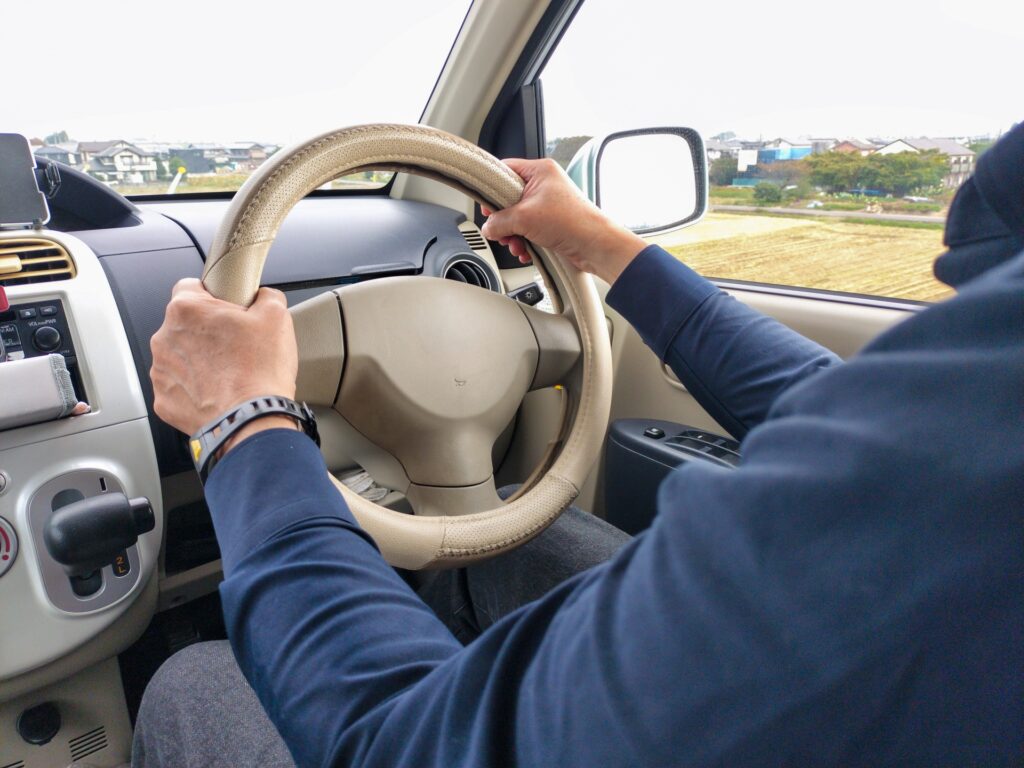
Many people experience lower back pain after driving for a long period of time. The main factors that can contribute to driving-related lower back pain include reduced blood circulation caused by maintaining the same posture, continuous exposure to small vibrations from the road, increased stress on the lower back due to posterior pelvic tilt, and uneven loading on the left and right sides of the body.
Poor Circulation Caused by Staying in the Same Posture and Vehicle Vibrations
While driving, you essentially remain in the same position for an extended period. Keeping the body in a fixed position causes the muscles around the lower back to remain tense, eventually stiffening and reducing blood circulation.
In addition, the small vibrations generated by the vehicle while driving continuously place minor stress on the vertebrae and intervertebral discs. As fatigue accumulates in the lower back, this may also contribute to pain.
Posterior Pelvic Tilt (Slouching)
Car seats are often designed with a deeply contoured shape to provide a comfortable and relaxed sitting position. However, this type of seating can encourage the spine to lean backward and cause the pelvis to tilt backward, disrupting the spine’s natural curvature.
As a result, additional stress may be placed on the lower back, potentially contributing to lower back pain.
Asymmetrical Movement
While driving, operating the accelerator and brake pedals primarily with the right foot can also shift more of your body weight toward the left side.
The longer this asymmetrical posture is maintained, the more uneven strain is applied on the muscles of the lower back, which in turn may lead to pain.
How to Prevent Driving-Related Lower Back Pain
Adjust Your Seat
The first step is to properly adjust your seat.
Adjust the seat position so that your knee remains slightly bent when you press the brake pedal.
Adjusting the seatback is also important. When holding the steering wheel, position the seatback so that your shoulders remain in contact with the seat.
Use a Lumbar Support Cushion
A cushion can be placed between the seat and your lower back to fill the gap and provide support.
This can help keep the pelvis in a more upright position and maintain the natural S-shaped curvature of the spine.
Take Frequent Breaks
If you are driving for a long period, get out of the car approximately once every 1.5 to 2 hours.
Stretch, perform some gentle exercises, and allow your body to relax before continuing your journey.
Stretching
When you stop at a service area or a rest stop, it is a good idea to get out of the car and perform some gentle stretches.
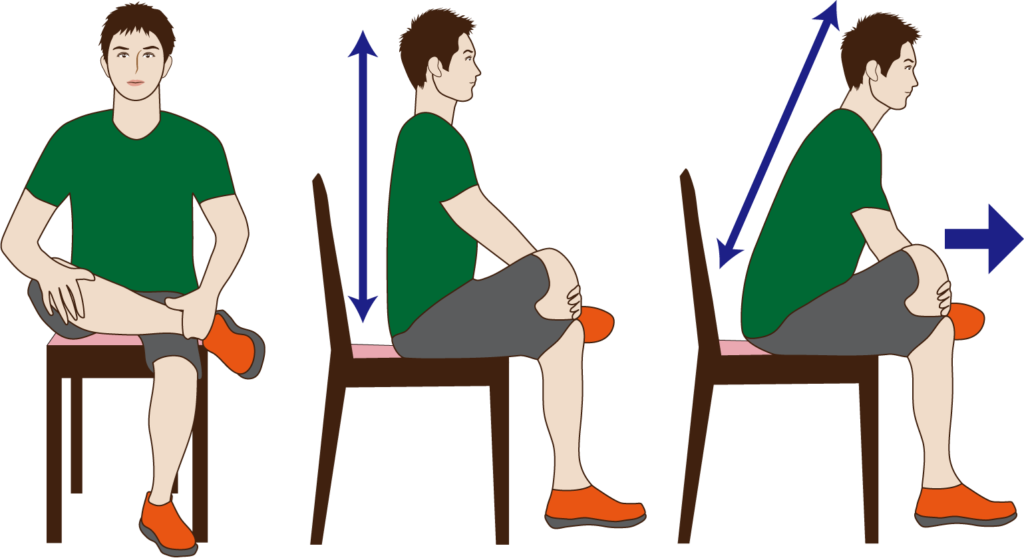
◎ Glute Stretch
・Sit toward the front of the seat and place one ankle on top of the opposite knee.
・Keeping your back straight, slowly lean your upper body forward and hold the position for 15 seconds.
・Switch legs and repeat the stretch.
◎ Chest and Back Stretch
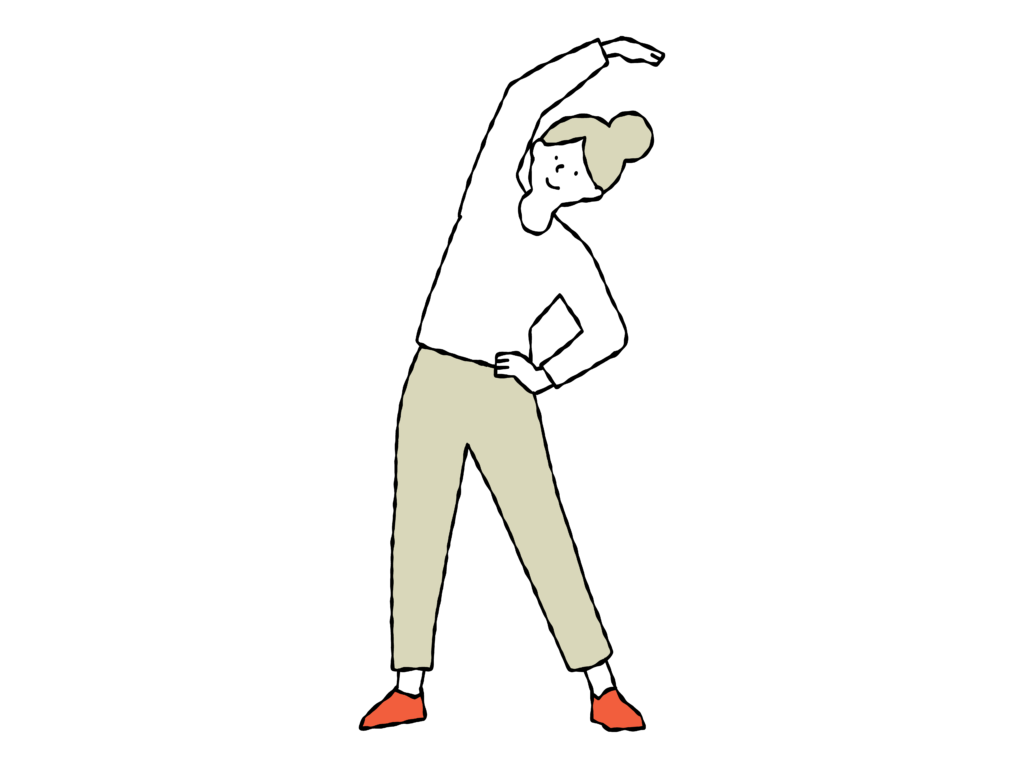
・Get out of the car, interlace your fingers, and reach both arms upward as far as comfortably possible.
・Slowly bend your upper body from side to side to stretch and loosen the area from the sides of your torso to your lower back.
Treatment at Our Clinics
If you are experiencing lower back pain, medical treatment may sometimes be necessary.
At our clinic, we offer the Treatment, the Florence Treatment, and the Q-Florence Treatment.
The Cellgel Method
The Cellgel Method is designed to repair damaged intervertebral discs.
A therapeutic agent is injected into cracks in the intervertebral disc. The agent then turns into a gel and fills the damaged area, potentially helping to prevent further disc degeneration and providing a treatment option that addresses the underlying disc condition.
A key feature of Cellgel Method is that it does not reduce the volume of the intervertebral disc. After treatment, the injected material remains in the disc as a gel-like implant, helping preserve the disc.
The Cellgel Method can be used for both lumbar and cervical intervertebral disc degeneration.
Click Here to Learn More About The Cellgel Method
The Florence Method
When disc degeneration has progressed and conditions such as spinal canal stenosis or spondylolisthesis are also present, The Florence The Florence Method may be considered.
A specialized spacer is placed between the spinous processes of the lumbar vertebrae. This helps stabilize the vertebrae while maintaining spinal rotation and flexion, widening the spinal canal, reducing disc protrusion, and alleviating thickening of the ligamentum flavum.
By widening the narrowed spinal canal, symptoms such as pain and numbness may be relieved.
Click Here to Learn more about the Florence Method
The Q-Florence Method
The Q-Florence Method is a minimally invasive treatment with a low procedural strain that can be used for conditions such as spinal canal stenosis, spondylolisthesis, and lumbar spinal instability.
A specialized device is inserted percutaneously to stabilize the unstable spine, widen the narrowed spinal canal, and correct vertebral slippage.
Click Here to Learn more about the Q-Florence Method (article in Japanese)
In addition, through our partnership with the OJ Wellness Center, we incorporate approaches from traditional Eastern medicine and Ayurvedic medicine to address various types of lower back pain in patients of a wide range of ages.
Learn more about the OJ Wellness Center
If you are suffering from lower back pain, we encourage you to have an evaluation at our clinics.
Supervising Physician
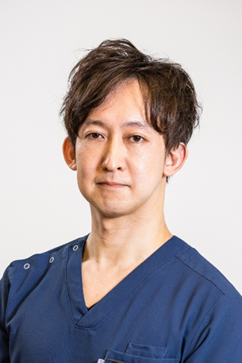
Dr. Tadaaki Minowa
Administrative Director
Tokyo Clinic Director ILC Tokyo
Affiliations / Certifications
- Japan Low Back Pain Association
- Japan Society of Endoscopic Surgery
- Certified Industrial Physician, Japan Medical Association
- Cellgel Treatment Method Certified Doctor
- Florence Method Certified Doctor
- Q-Florence Method Certified Doctor
- Ozone Treatment Certified Doctor