





Column Diagnosed with a Lumbar Compression Fracture: What Is the Most Comfortable Way to Sleep?
October 7, 2026
A lumbar compression fracture is a fracture that occurs when external pressure is applied to a vertebral body in the lower back. It is particularly common among older adults.
In this article, we explain the recommended sleeping positions for people who have sustained a lumbar compression fracture.
Symptoms and Causes of Lumbar Compression Fractures
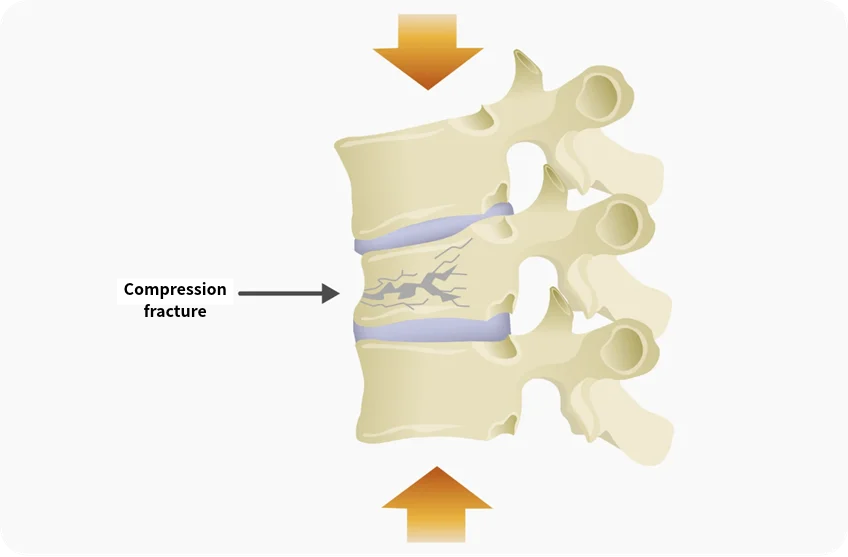
A compression fracture occurs when external pressure is applied to a vertebral body, causing it to collapse. These fractures are particularly common around the thoracolumbar junction, where the thoracic spine meets the lumbar spine.
The incidence of new compression fractures is reported to be 2.2% in men and 2.1% in women in their 40s, 4.9% in men and 4.5% in women in their 50s, 5.1% in men and 14.0% in women in their 60s, and 10.8% in men and 22.2% in women in their 70s. If a person has had a compression fracture before, the risk of a new vertebral fracture increases: 8.3% in men and 6.1% in women in their 50s, 10.0% in men and 18.0% in women in their 60s, and 12.2% in men and 22.4% in women in their 70s.*1
*1 Source: Noriko Yoshimura, et al. Cumulative incidence and changes in the prevalence of vertebral fractures in a rural Japanese community: a 10-year follow-up of the Miyama cohort. Archives of Osteoporosis. 2006, 1(1-2).
Symptoms of Lumbar Compression Fractures
The main symptom of a lumbar compression fracture is severe pain in the lower back.
Intense pain occurs when you move your body, such as when turning over in bed or getting up. This is one of the characteristics of a compression fracture.
Another characteristic is that patients experience significantly less pain when remaining still or at rest.
If the collapsed vertebral body compresses a nerve, symptoms such as pain and numbness in the lower limbs may appear, and these can resemble the symptoms of conditions such as disc herniation.
Causes of Lumbar Compression Fractures
The main cause of lumbar compression fractures is osteoporosis.
Osteoporosis is a condition in which bone density decreases due to aging and lifestyle-related factors, making bones more fragile and susceptible to fractures. Hormonal changes after menopause are also believed to contribute to osteoporosis, which is why it occurs particularly frequently in women.
Other factors associated with compression fractures include malignant tumors, diabetes, excessive alcohol consumption, and a history of tuberculosis. These factors can particularly affect bone quality in men and contribute to the development of compression fractures. *2
When bones become fragile due to osteoporosis or deterioration in bone quality, external pressure can cause a compression fracture. For example, compression fractures may occur when a person falls onto their buttocks, experiences a fall, lifts a heavy object, or coughs or sneezes.
*2 Reference: Ichiro Owan. “Factors contributing to the occurrence of vertebral fractures differ between men and women.” Journal of Okinawa Red Cross Hospital. Vol. 23, No. 1, 2018.
Recommended Sleeping Positions for Lumbar Compression Fractures
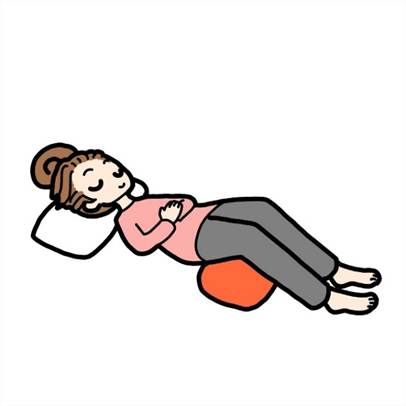
Sleeping on Your Back
When sleeping on your back, take care not to arch your lower back. If your lower back arches excessively, additional stress may be placed on the collapsed vertebra, potentially interfering with healing.
Placing a cushion or pillow under your knees can help reduce the gap between your lower back and the mattress and may help relieve pain.
Sleeping on Your Side
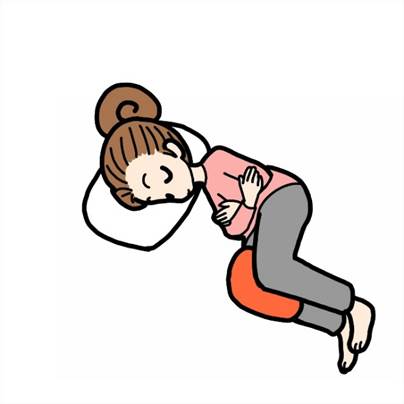
When sleeping on your side, it is recommended that you bend your knees slightly. Place a thick cushion or body pillow between your legs to help stabilize your sleeping position.
Avoid Sleeping on Your Stomach
Sleeping on your stomach can cause excessive twisting and arching of the pelvis and lower back, placing additional pressure on the spine. As a result, pain may worsen and the fracture may take longer to heal.
If you have been diagnosed with a lumbar compression fracture or are experiencing lower back pain, we encourage you to conduct an examination at our clinic.
Related Articles
What is a Compression Fracture? The Differences Compared to Other Types of Fracture and its Causes