





Column Should You Apply Ice to Lower Back Pain? The Correct Icing Method and When to Use It
October 16, 2026
When lower back pain occurs, some people may wonder whether they should apply ice to the affected area.
In this article, we explain the correct way to apply ice.
The different Types of Lower Back Pain
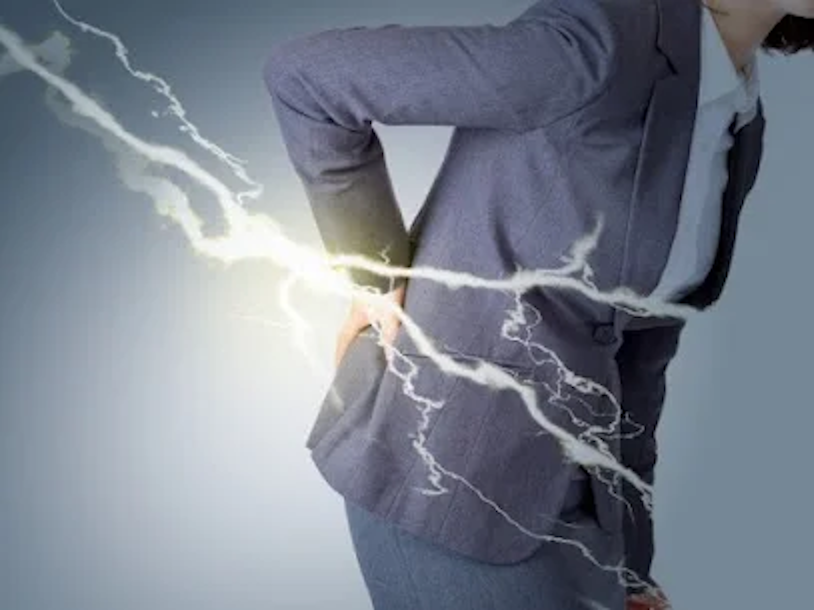
Lower back pain can be classified into three types: acute, subacute, and chronic lower back pain.
Acute Lower Back Pain
Acute lower back pain is also commonly known as a “strained back” or “lumbago.” It refers to lower back pain that has lasted for less than four weeks.
A characteristic symptom is a sharp, stabbing pain that occurs with every movement. In some cases, the pain can be so severe that even moving becomes difficult. A lumbar disc herniation may also occur, potentially causing numbness extending from the buttocks down to the legs.
Subacute Lower Back Pain
If acute lower back pain is left untreated without appropriate measures, it may develop into subacute lower back pain. This refers to pain lasting between one and three months, which develops as strain accumulates from everyday activities.
The pain is generally dull and widespread, rather than the sharp pain associated with acute lower back pain.
Chronic Lower Back Pain
Chronic lower back pain refers to pain that persists for more than three months. Poor blood circulation can cause muscles to become stiff and compress nerves, resulting in pain.
The pain is often relatively mild and is characterized by discomfort throughout the lower back or a persistent, heavy, dull ache.
If left untreated, symptoms may worsen and potentially progress to conditions such as disc herniation.
Types of Lower Back Pain That Can Be Treated with Ice
Not all types of lower back pain should be treated with ice. Depending on the type of pain, cooling the affected area may actually worsen symptoms, so caution is necessary.
Ice should only be applied in cases of acute lower back pain (i.e. a strained back).
In acute lower back pain, tissues such as the muscles, joints, and nerves in the lumbar region sustain damage, often accompanied by a feeling of heat immediately after the injury. This indicates inflammation, and cooling the affected area may help relieve symptoms.
The Correct Icing Method and Precautions to Take
How to Apply Ice
For a strained back, icing is recommended within 48–72 hours after the onset of symptoms. During this period, the affected area may feel hot and the pain may be sharp. Cooling the area can be expected to help relieve pain.
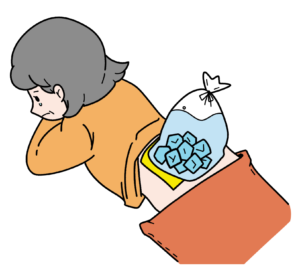
Wrap an ice pack or cold pack in a thin towel and apply it to the affected area for approximately 10–15 minutes at a time.
Leave an interval of about one to two hours between sessions and repeat the process three to five times a day.
Precautions to Take
Applying ice directly to the skin can cause frostbite, so always wrap the ice pack in a towel.
Stop cooling immediately if you can no longer feel the cooling sensation or your skin starts to look pale or whitish.
People with circulation problems, older adults, and people with reduced skin sensation are less likely to notice frostbite, so they need to be especially careful.
Once the sharp pain changes into a heavy, dull ache or the sensation of heat subsides, switch to warming care.
If you experience numbness in the legs, a feeling of weakness, or abnormalities in urination or bowel movements, conditions such as disc herniation or cauda equina syndrome may be suspected. Consult a medical specialist.
Treatment at Our Clinics
When you have lower back pain, a fundamental treatment addressing the underlying cause may also become necessary at some point.
Our clinic provides treatment for lower back pain caused by intervertebral disc damage.
The Cellgel Method involves injecting a therapeutic agent into the cracks in the intervertebral disc. The substance then forms a gel-like implant that fills and reinforces the damaged areas. This may help prevent further disc degeneration and may serve as a fundamental treatment approach that addresses the underlying disc damage
Unlike procedures that reduce the volume of the intervertebral disc, the Cellgel Method leaves a gel-like implant within the disc after treatment, helping preserve the disc’s volume and structure.
Click here to learn more about the Cellgel Method
In addition, our affiliated OJ Wellness Center incorporates approaches from traditional East Asian medicine and Ayurvedic medicine to support people experiencing various forms of lower back pain across a wide range of age groups.
Click here to learn more about the OJ Wellness Center
If you are experiencing lower back pain, please consider scheduling a consultation at our clinic.
Supervising Physician:
Dr. Tadaaki MINOWA
Administrative Director at ILC Tokyo
Affiliations / Certifications
Japan Low Back Pain Association
Japan Society of Endoscopic Surgery
Certified Industrial Physician, Japan Medical Association
Cellgel Treatment Method Certified Doctor
Florence Method Certified Doctor
Q-Florence Method Certified Doctor
Ozone Treatment Certified Doctor
Related Articles
What is a “Strained Back”? What is the Reason Behind it? What is the Formal Name of That Condition?
Stop-gap Measures for Acute Low Back Pain: What Not to Do and the Right Way to Manage It