





Column 🛌Diagnosed with Myofascial Back Pain? — What Are the Recommended Sleeping Positions to Sleep Comfortably? 🛌
January 19, 2026
Myofascial back pain is a condition where excessive strain is placed on the lower back, resulting in damage to the muscles and the fascia (the connective tissue covering the muscles) around the waist.
In this article, we will explain the best ways to sleep when you have myofascial back pain.
Symptoms and Causes of Myofascial Back Pain
Myofascial low back pain occurs when the muscles and fascia of the lower back are subjected to sudden or chronic stress.
A key characteristic is that X-ray imaging usually shows no abnormalities, and pain or numbness radiating into the legs typically does not occur.
This condition often develops due to prolonged poor posture that places continuous stress on muscles and fascia, or from sudden strain caused by lifting heavy objects or engaging in sports activities.
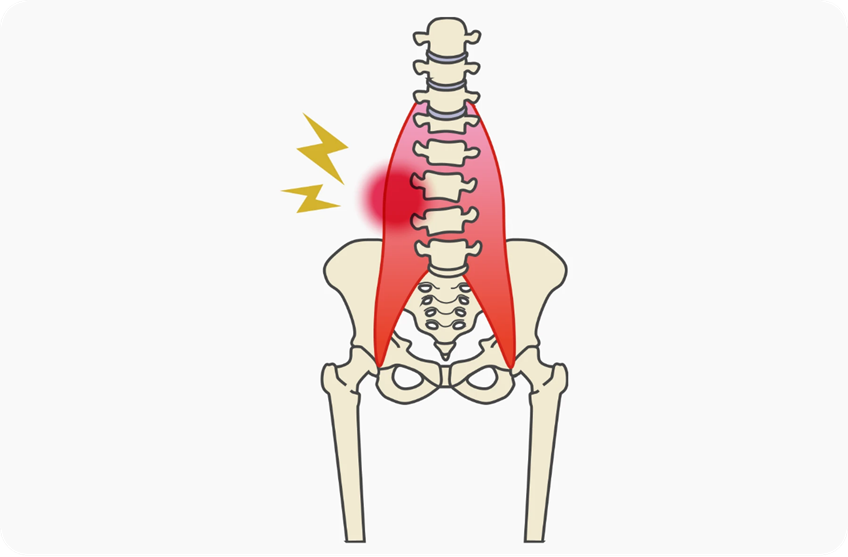
Symptoms of Myofascial Back Pain
The primary symptoms are pain in the lower back, buttocks, and hips.
A distinguishing feature is that the pain intensifies when bending the body backward or twisting. You may also feel pain during the initial movement upon waking up in the morning or after staying in the same position for a long period.
Causes of Myofascial Back Pain
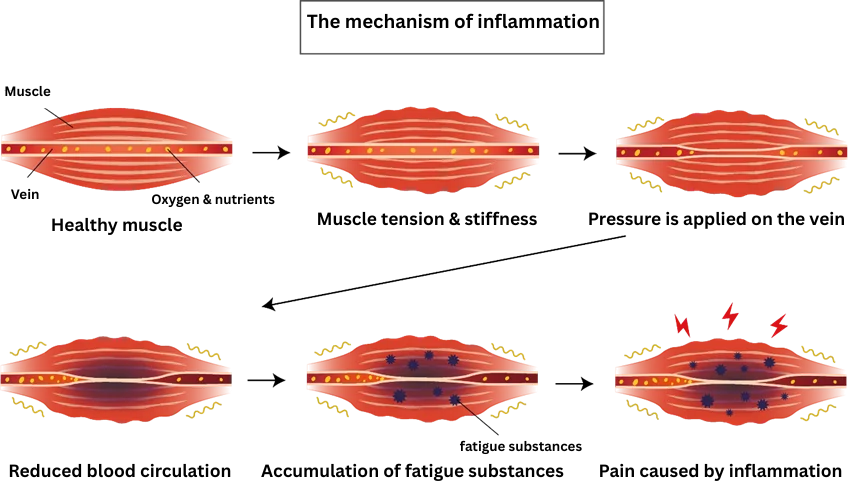
Myofascial back pain is usually consecutive to the occurrence of inflammation.
It is commonly triggered by daily activities such as prolonged sitting during desk work or driving, as well as repeated forward-bending motions.
When muscles are overused, they become unable to withstand the fatigue and become tense (they harden). Tight muscles and fascia compress blood vessels, leading to reduced blood flow. As circulation worsens, metabolic waste products accumulate. Moving the body while the muscles and fascia remain stiff can convert this buildup of waste products into pain.
Recommended Sleeping Positions for Myofascial Low Back Pain
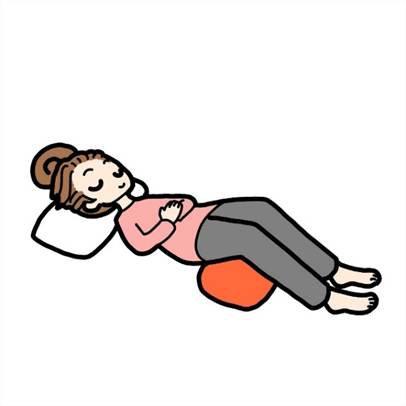
When Sleeping on Your Back
When sleeping on your back, it is recommended to place a cushion or a rolled towel under your knees to keep them slightly bent. This helps prevent excessive arching of the lower back and reduces stress on the lumbar spine.
If there is a gap between your lower back and the mattress, placing a thin, folded towel in the natural curve of the waist may help fill the space and improve comfort.
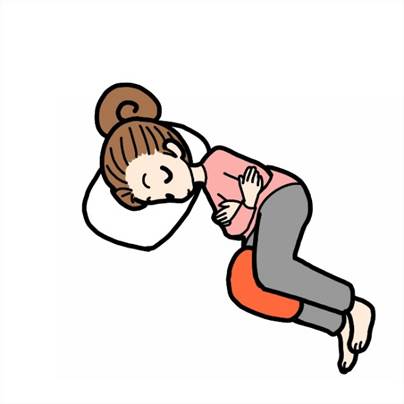
When Sleeping on Your Side
If you sleep on your side, bend your hips and knees slightly into a “sideways V” shape (fetal position) and place a body pillow or cushion between your knees. This prevents the pelvis from twisting and reduces the burden on the lower back.
You may find it more comfortable to sleep with the painful side facing upward, as this prevents the waist from becoming overly tense.
Other Important Considerations
Avoid sleeping on your stomach (in the prone position), as this position increases lumbar extension and places strain on the lower back.
During the acute phase of severe pain, wearing a corset or lumbar support may be helpful; however, prolonged use or wearing it while sleeping should be avoided, as it can weaken the muscles.
Avoid overly soft bedding. Choose a mattress with moderate firmness that makes it easy to toss and turn (or change positions).
If you have been diagnosed with myofascial back pain or are experiencing ongoing low back discomfort, please consider visiting our clinic for a consultation.
Related Articles
Treatment Case Report No. 28| ILC International Lumbago Clinic (Nagoya Clinic)