





Column Treatment Case Report No. 232| ILC International Lumbago Clinic (Tokyo Clinic)
January 28, 2026
The patient
A male patient in his 60s.
The patient’s medical history to date
The patient began experiencing lower back pain at age 60. Over time, walking began to trigger numbness in his lower limbs.
He was diagnosed with spondylolisthesis and sciatica at a local orthopedic clinic. Although he attempted to manage the condition through massage and oral medication, he saw little to no improvement.
The patient visited our clinic seeking to improve his symptoms.
Pre-treatment symptoms
・Pain levels before treatment
| Lower back | Lower limbs | Numbness | Buttocks | |
|---|---|---|---|---|
| Pain level | 7 | 6 | 8 | 8 |
No pain at all is rated as 0, and the maximum possible pain is rated as 10.
Main areas of pain and numbness: lower back, tip of the toes.
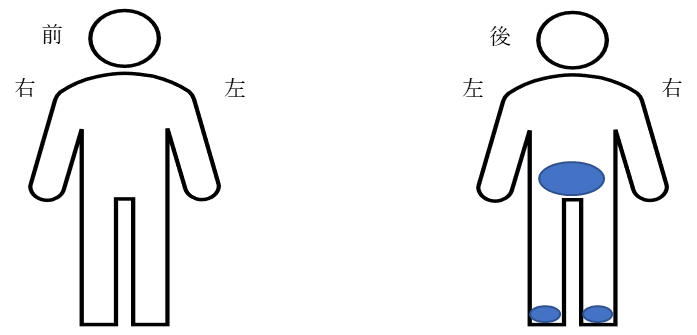
Bending forward: no change
Bending backward: low back pain
Lasegue test: Positive on the left side (triggered numbness).
Point of tenderness: Around the L4/5 spinous process
Intermittent claudication: numbness in the toes occurs after walking for 100m or less.
Additional explanations on our clinic’s medical examination
・Daily activities
Symptoms significantly worsen when leaning backward.
Imaging and findings
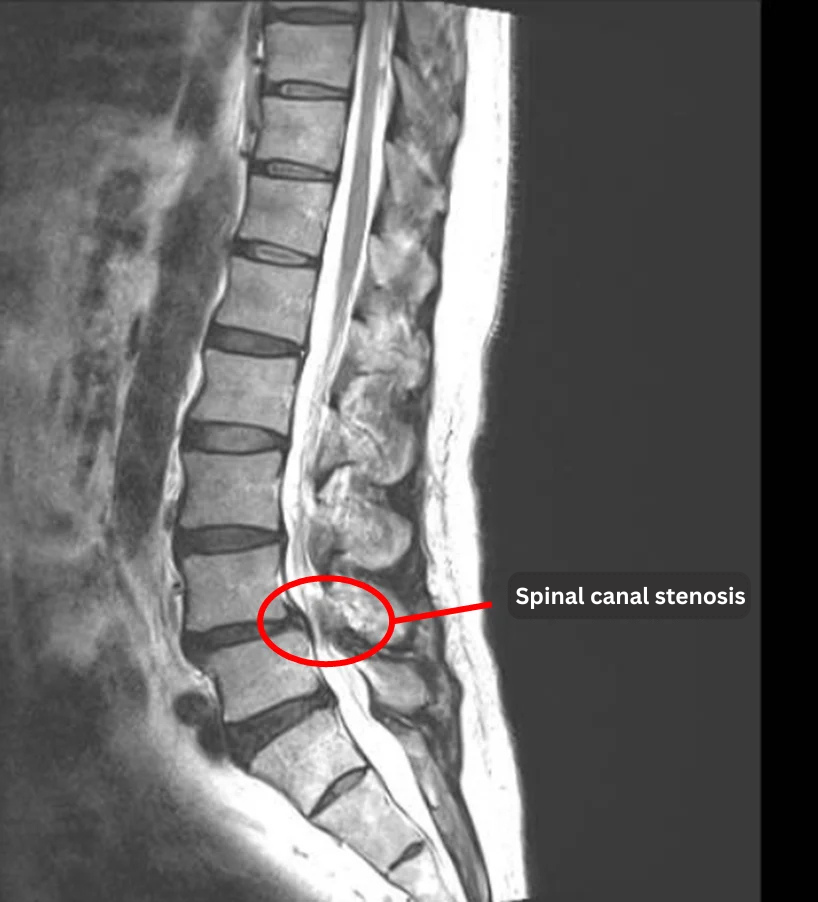
- L1/2, L3/4, L4/5, L5/S1: Disc degeneration
- L4/5: Lumbar spinal canal stenosis
- L4: Anterolisthesis
The above findings were also observed on the imaging.
・These findings indicate that lumbar spinal stenosis at L4/5 is a likely cause of the patient’s primary symptoms.
Treatment
The Q-Florence Method was performed on L4/5.
The treatment was performed by Dr. Suematsu.
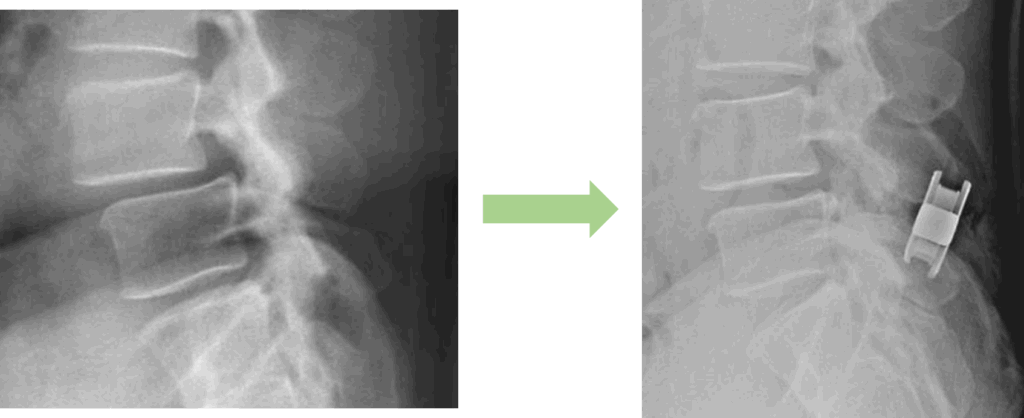
Post-treatment imaging confirmed improvement in vertebral slippage and restoration of disc height following insertion of the Q-fusion spacer.
The treatment took about 95 minutes (25 minutes for anesthesia + 70 minutes for treatment).
After taking a rest in the recovery room, since the patient was able to sit, stand, and walk without any problems, he walked home on his own.
Our clinic’s treatment method
Additional information about the Q-Florence method we have just presented above.
Cost of the Q Florence method: 1,760,000 yen/one site (including tax) to 2,530,000 yen/two sites (including tax)
Cost for this patient’s case: Q Florence method 1 site = 1,760,000 yen (including tax)
Risks and side effects of the Q-Florence method: Although there are no reports of such cases in our own experience or in the literature, there is a possibility of damage to nerves, dura mater, and other surrounding tissues due to insertion of the spacer. There is a very small possibility of allergic reaction to the local anesthetic. There is a possibility of dislocation or fracture of the spinous process. Temporary urinary problems and allergic reactions may also occur.
For more detailed information, please refer to the following links:
Blog article explaining the Q-Florence method in an easy-to-understand manner (article in Japanese)
Our clinic’s page about the Q-Florence Method (article in Japanese)
This article was written by: the Administrative Director of the Clinic