





Column Dietary Habits That Reduce the Pain from Lumbar Disc Herniation: Anti-Inflammation Strategies and Essential Nutrients 🍎
November 28, 2025
Lumbar disc herniation can occur regardless of age.
Once herniation develops, pain and numbness may appear, and as the condition progresses, daily activities can become increasingly difficult.
In this article, we explain how dietary choices can help reduce pain associated with lumbar disc herniation.
What is Lumbar Disc Herniation?
Intervertebral discs are located between each vertebra. Each disc consists of a gel-like nucleus pulposus in the center, enclosed in the annulus fibrosus, which is rich in collagen.
When cracks form in the annulus fibrosus and the nucleus pulposus protrudes outward, this is called lumbar disc herniation.
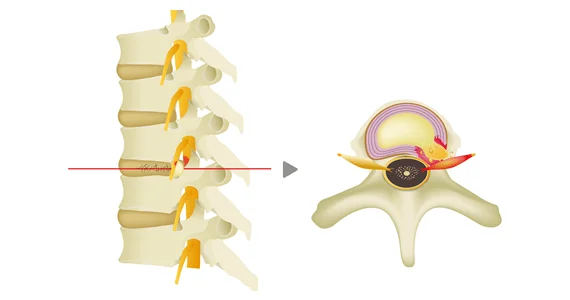
Major symptoms include:
- Sciatic nerve pain, particularly radiating from the buttocks down the back of the thigh, is a common characteristic symptom.
- Low back pain
- Pain or numbness in the buttocks and legs
The Link Between Disc Herniation and Diet
While diet alone cannot cure disc herniation, adjusting your eating habits can significantly help in reducing symptoms and promoting the overall health of your spine.
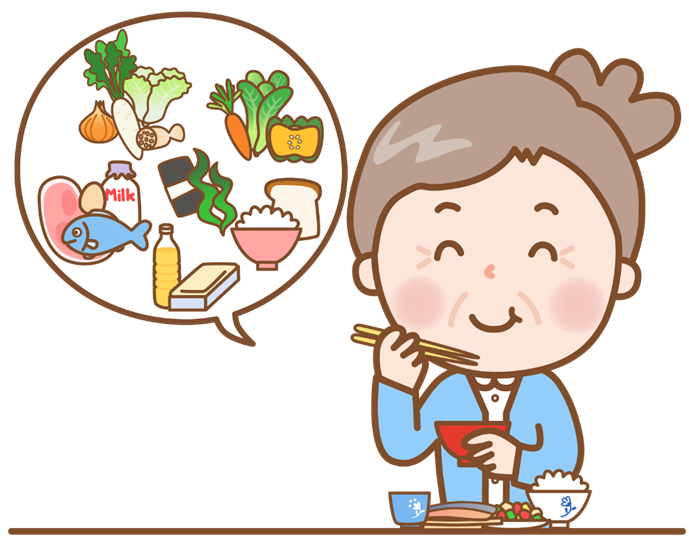
Foods That promote Intervertebral Discs and Spine Health
・Collagen
As a type of protein, collagen is a structural component of discs and bones. Sources include chicken, fish, and foods rich in gelatin such as pig’s feet.
・Calcium & Vitamin D
Calcium and Vitamin D are essential for strong bone healt.
- Sources (Calcium): Dairy products, leafy green vegetables.
- Sources (Vitamin D): Mushrooms, fatty fish like salmon, tuna, and sardines.
・Antioxidants
These substances help reduce reactive oxygen species, aiding in overall health maintenance.
Sources: Green and yellow vegetables, fruits, and green tea.
・Anti-inflammatory Foods
Reducing inflammation can alleviate pain.
Sources: Fatty fish (salmon, mackerel) rich in unsaturated fatty acids, berries and cherries, vegetables (e.g., broccoli), nuts (almonds, walnuts), and seeds (flaxseed, chia seeds).
Foods That are Best Avoided
Foods high in sugar and fat can increase inflammation and aggravate pain.
High-Sugar and Refined Carbohydrates: Foods like sugar and white rice cause rapid spikes in blood sugar, leading to excessive insulin secretion, which can promote inflammation. Recommended alternatives: brown rice, whole-grain bread
High-Fat Foods: Foods high in saturated fatty acids (e.g., fried foods, fatty cuts of meat) can promote inflammation. Recommended alternatives: Unsaturated fatty acids found in fish have the opposite, anti-inflammatory effect; prioritize fish over red meat.
Stimulants: Excessive consumption of alcohol, caffeine, and spices can potentially aggravate inflammation.
Important Dietary Habits To Follow
Maintain a Balanced Diet: Aim for meals that include a good balance of staple foods, main dishes, and side dishes to ensure adequate nutrition without over-consumption.
Chew Thoroughly: Chew your food well (aim for 20 or more chews per bite) to reduce stress on internal organs and stimulate the satiety center, helping prevent overeating and fast eating.
Stay Hydrated: Adequate water intake is vital, as the intervertebral discs rely on water to maintain their elasticity and shock-absorbing properties. Drink water frequently throughout the day.
Our Clinic’s Treatment
While a healthy diet may support symptom relief and prevention, symptomatic disc herniation requires fundamental treatment.
Our clinic offers the Cellgel Method for disc herniation, a procedure designed to repair damaged intervertebral discs.
In this treatment, a special agent is injected into the cracks of the disc; this agent solidifies into a gel, essentially patching the tear and providing a fundamental treatment. The gel acts as a permanent implant within the disc, preserving the disc’s volume.
👉 Click here for more information about the Cellgel Method
We also offer free MRI evaluation for patients who already have lumbar MRI images.
If you have MRI data from another hospital, please feel free to contact us.
👉 Click here for a free MRI Imaging Consultation
If you have been diagnosed with a disc herniation or suffer from back pain, please consider scheduling a consultation.
Related Articles
Understanding Herniated Discs and Receiving the Most Appropriate Treatment For It
Can Disc Herniation Heal Naturally?
Symptoms and Treatments of Disc Herniation: When Early Detection is Key
Various Treatments for Lumbar Disc Herniation: Respective Differences and Results of Each Method
Is Disc Herniation for Teens and Young Adults on The Rise?
What Is a Lumbar Disc Herniation and Why Is an MRI Necessary? Understanding How Diagnosis Is Made
Prevention Rather Than Intervention: Precautions to Take to Prevent Disc Herniation
⚠️The 5 Characteristics of People Prone to Disc Herniation ⚠️