





椎間板ヘルニアと整骨院・整体院
December 19, 2025
Intervertebral disc herniation can occur regardless of age. Although it is most common between the ages of 20 and 40, even teenagers in their early teens may develop a herniated disc.
In this article, we will explain lumbar disc herniation and what to consider when visiting osteopathic or chiropractic clinics.
What is Disc Herniation?
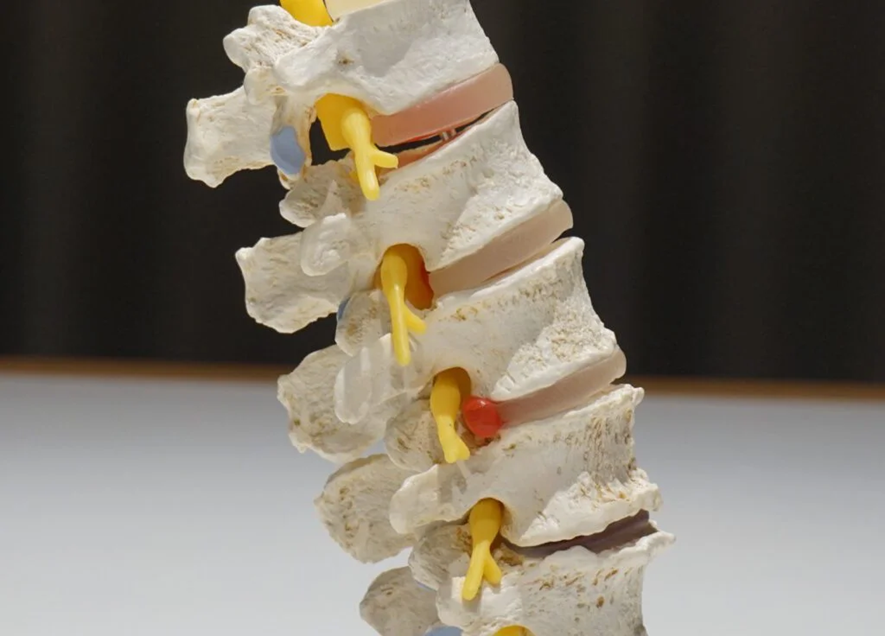
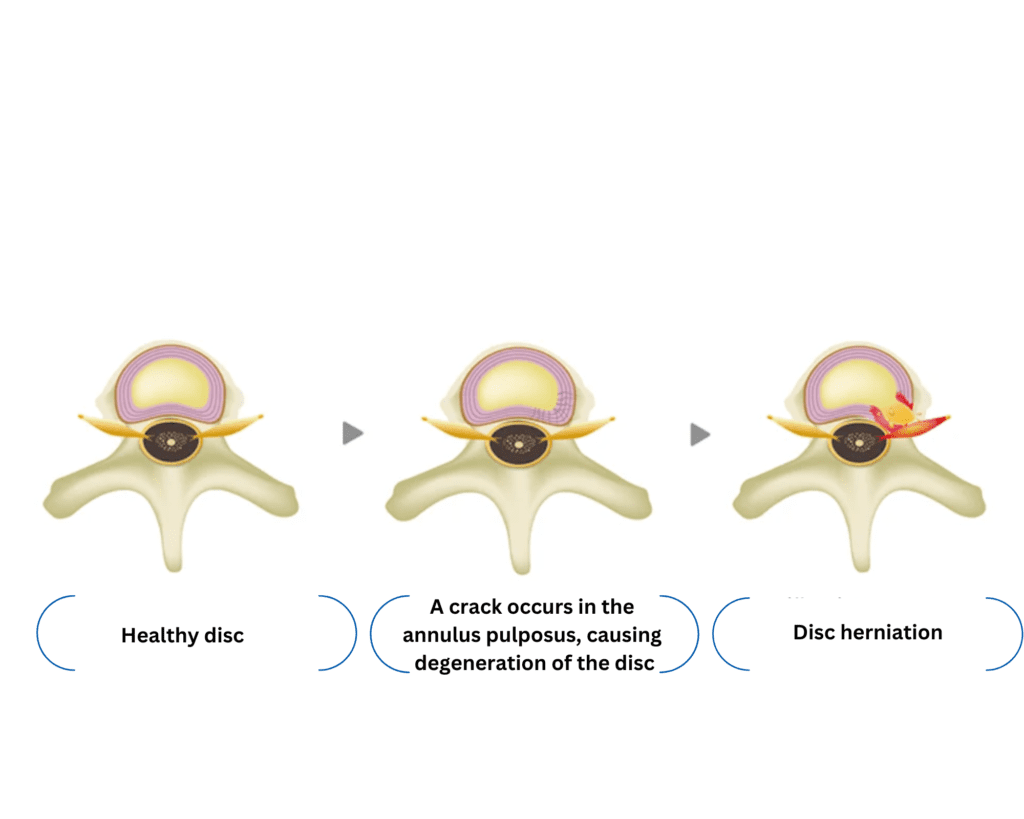
Between each vertebra is an intervertebral disc. This disc consists of a gelatinous nucleus pulposus in the center, encased in the annulus fibrosus, which is rich in collagen.
When cracks form in the annulus fibrosus and the nucleus pulposus protrudes outward, this condition is called disc herniation.
How a Herniated Disc Develops
In a healthy disc, even intense physical activity does not typically cause major issues as the disc absorbs most shocks, thus protecting the surrounding bones and ligaments.
However, disc damage may start as early as age 16.
Various factors can cause tears in the annulus fibrosus, leading to the sudden extrusion of the nucleus pulposus. Conversely, if the nucleus pulposus leaks gradually, its volume decreases, reducing disc function over time.
As disc cushioning deteriorates, the spine is placed under increased stress. This may lead to spinal and ligament deformities, facet joint arthritis, and ossification of ligaments, which can eventually degenerate into spinal canal stenosis or foraminal stenosis.
In short, spinal disorders often begin with disc damage , before aggravating progressively over time.
Symptoms of Lumbar Disc Herniation
The primary symptoms are lower back pain combined with pain or numbness in the buttocks or legs. These symptoms may appear anywhere in the lower extremities, but pain radiating from the buttock to the back of the thigh — known as sciatica — is particularly common.
Treatment Approaches at Osteopathic and Chiropractic Clinics
Patients with disc herniation problems are known to seek relief at osteopathic or chiropractic clinics.
Benefits of Receiving Care at Osteopathic or Chiropractic Clinics
The main goals are symptom relief and the improvement of body mechanics.
Through massage, stretching, and spinal/structural adjustments, these treatments may:
・Help relieve pain and prevent recurrence
・Improve posture
・Reduce muscle tension
・Promote better body alignment
In addition, clinics often provide guidance on stretching and home care, contributing to long-term improvement and prevention.
Important Points to Note Before Programming a Visit at an Osteopathic or Chiropractic Clinic
Many patients seek relief at osteopathic or chiropractic clinics. Here is a breakdown of what they can and cannot do.
| Aspect | Osteopathic/Chiropractic Clinics | ILC Medical Clinics (Cellgel Method) |
| Primary Goal | Symptom relief and postural balance. | Repairing the damaged disc structure. |
| Methods | Massage, stretching, skeletal adjustment. | Percutaneous gel injection (Implant). |
| Pros | Reduces muscle tension and improves daily posture. | Addresses the “crack” causing the leak; prevents volume loss. |
| Limitations | Cannot repair the physical tear in the disc. | Higher cost (private practice). |
・Obtain an Accurate Diagnosis First
Before visiting an osteopathic or chiropractic clinic, it is crucial to undergo a thorough examination at an orthopedic medical facility.
Depending on the degree of disc herniation or nerve compression, inappropriate physical manipulation on severe herniation may sometimes aggravate nerve compression.
Because many other conditions can be confused for disc herniation symptoms, reaching a proper diagnosis is essential to determine appropriate treatment.
Always start with a medical evaluation by a physician.
・Symptom Relief Is Different From Structural Repair
While these clinics may help reduce symptoms and support prevention, they cannot remove the herniation itself or repair the damaged disc.
Treatment at Our Clinics
At our clinic, we offer the Cellgel Method, a treatment designed to repair damaged discs.
In this treatment, a specialized agent is injected into the cracks of the disc. It forms a gel that fills and supports the damaged area, allowing for structural restoration at its source. The disc volume is preserved as the material remains in place like a gel implant, helping maintain disc integrity.
👉 Click here to Learn More About the Cellgel Method
If you have been diagnosed with disc herniation or suffer from persistent back pain, we encourage you to reserve an examination at our clinic.
Related Articles
Understanding Herniated Discs and Receiving the Most Appropriate Treatment For It
5 Medical Conditions That Can Be Easily Confused with Disc Herniation
What Is a Lumbar Disc Herniation and Why Is an MRI Necessary? Understanding How Diagnosis Is Made
Can Disc Herniation Heal Naturally?
Symptoms and Treatments of Disc Herniation: When Early Detection is Key
Various Treatments for Lumbar Disc Herniation: Respective Differences and Results of Each Method
Is Disc Herniation for Teens and Young Adults on The Rise?
Prevention Rather Than Intervention: Precautions to Take to Prevent Disc Herniation
⚠️The 5 Characteristics of People Prone to Disc Herniation ⚠️